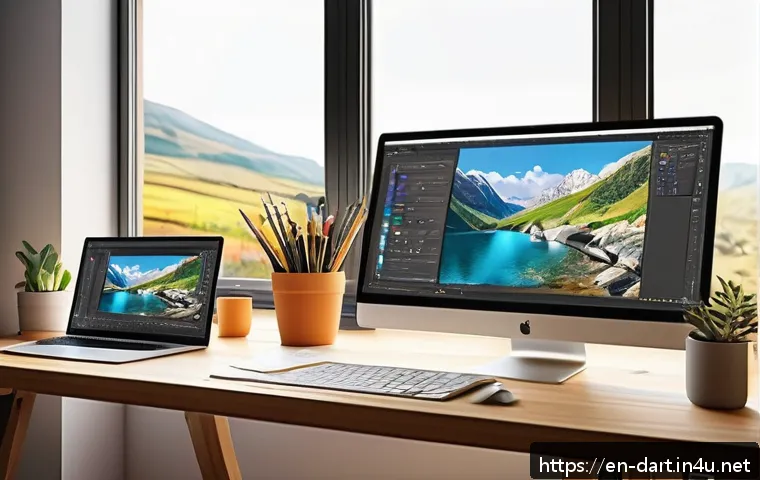
In today’s fast-evolving creative landscape, digital art is opening exciting new doors for artists seeking fresh income streams. The rise of print-on-demand platforms has transformed how creators monetize their work, removing traditional barriers like inventory and upfront costs.
If you’ve ever wondered how to turn your digital designs into tangible products without the hassle, this is the perfect moment to explore that synergy.
From personalized apparel to home decor, the possibilities are endless, and the profit potential is real. Let’s dive into how combining digital art with print-on-demand can unlock new opportunities for your creative journey.
Unlocking Creative Freedom with Digital Design Platforms
Exploring User-Friendly Design Tools
When I first started blending my digital art with print-on-demand, the sheer variety of accessible design platforms blew me away. Tools like Canva, Procreate, and Adobe Illustrator have made it so much easier to bring ideas to life, even if you’re not a professional designer.
What’s great is that these platforms offer templates and drag-and-drop features that speed up the process without compromising creativity. I remember how quickly I could create a fresh design for a T-shirt or tote bag, tweaking colors and fonts on the fly, which meant I could keep up with trends and customer preferences in real time.
For anyone worried about the technical side, these tools truly lower the barrier to entry and let you focus on your artistic vision.
Integrating Your Art Seamlessly
Another aspect that helped me was the smooth integration between design platforms and print-on-demand services. Uploading files, adjusting print areas, and previewing how the final product looks became intuitive.
This seamless workflow cuts down on back-and-forth and saves precious time. Plus, many services allow you to test different product types with the same artwork, so you’re not locked into one format.
I found this flexibility crucial when experimenting with what resonates most with my audience. You might create a digital print first, then decide to offer it on mugs, phone cases, or even wall tapestries—all without needing separate files or complicated setups.
Maximizing Impact Through Customization
Customization is where digital art truly shines in the print-on-demand space. I’ve noticed customers love the option to personalize products with names, dates, or unique messages.
Offering this feature not only boosts sales but also creates a deeper connection between the buyer and the product. From a creator’s perspective, it’s rewarding to see your art become part of someone’s special moment or everyday life.
If you haven’t tried adding customization options yet, it’s worth exploring. Many platforms provide built-in tools to enable this, making it manageable even if you’re new to e-commerce.
Choosing the Right Products to Amplify Your Designs
Understanding Popular Product Categories
Not all print-on-demand products perform equally, so figuring out what sells best can save you from wasted effort. Apparel like T-shirts and hoodies remain staples because they’re wearable canvases that people love to show off.
However, I found that expanding beyond clothing into home goods—like cushions, wall art, and mugs—opened up fresh revenue streams. It’s fascinating how a single design can find new life across multiple product types.
For instance, a minimalist line drawing might look chic on a tote bag, but equally stunning as a framed print. Knowing your audience’s lifestyle and preferences helps guide these decisions.
Balancing Quality and Cost
One challenge I faced early on was balancing product quality with affordability. Some print-on-demand items look fantastic but come with a higher price tag, which might deter potential buyers.
Conversely, cheaper options sometimes compromise on print clarity or fabric feel. Testing samples before committing to a product line is a game-changer.
I learned to order physical proofs to check color accuracy, material texture, and print durability. This upfront investment pays off by reducing returns and negative feedback.
Plus, it helps you confidently promote your products, knowing they meet your standards and your customers’ expectations.
Seasonal and Trend-Driven Selections
Keeping an eye on seasonal trends and holidays can also influence your product choices. I noticed that limited-edition prints for occasions like Valentine’s Day or Earth Day tend to perform well, especially when paired with relevant products like mugs or throw pillows.
Launching themed collections creates urgency and excitement, which is fantastic for boosting sales. Just be careful not to overextend yourself; focusing on a few key themes and product types ensures quality and maintains your brand’s consistency.
Building a Compelling Brand Around Your Art
Crafting a Unique Story
One thing I realized early in my journey is that people don’t just buy products—they buy stories and emotions. Sharing the inspiration behind your digital art and how it connects to your values or experiences adds depth to your brand.
For example, I created a collection inspired by nature walks, sharing personal anecdotes and photos alongside the designs. This approach made my offerings more relatable and memorable.
If you’re active on social media or have a blog, weaving your narrative into posts helps build a loyal community that feels invested in your success.
Consistency in Visual Identity
Consistency goes beyond just your art style. It includes your logo, color palette, typography, and even the tone of your communications. I learned that maintaining a cohesive visual identity across your print-on-demand storefront, packaging, and marketing materials builds trust and professionalism.
Customers are more likely to return when your brand feels polished and reliable. Don’t be afraid to revisit and refine your branding as you grow—it’s a living process that reflects your evolution as an artist and entrepreneur.
Leveraging Customer Feedback
Engaging with customers and actively seeking feedback has been invaluable for me. It’s one thing to create art you love, but understanding what resonates with your audience can steer your creative and business decisions in the right direction.
I set up simple surveys and encouraged reviews after purchases, which helped me identify popular designs and areas for improvement. Plus, responding personally to comments builds rapport and encourages repeat business.
This two-way dialogue transforms customers into brand advocates.
Optimizing Your Online Storefront for Better Sales
Streamlining the User Experience
When I first launched my print-on-demand shop, I underestimated how crucial site navigation and loading speed are. Visitors expect a smooth, hassle-free experience.
Making sure your product pages are clear, with high-quality images and detailed descriptions, reduces hesitation. I learned to organize products into intuitive categories and use filters so customers can quickly find what they want.
Also, mobile optimization is a must, as a significant portion of shoppers browse and buy on their phones. Investing time in these details improved my conversion rates noticeably.
Effective Pricing Strategies
Pricing can be tricky—too high, and you scare off buyers; too low, and you undervalue your work. I experimented with different price points and discovered that bundling products or offering limited-time discounts can increase average order value without slashing prices.
For example, pairing a T-shirt with a matching mug at a slight discount encouraged customers to buy more. Also, transparently communicating the quality and uniqueness of your designs justifies premium pricing.

Remember, pricing is part of your brand’s story, so keep it consistent with your positioning.
Utilizing SEO and Keywords
Driving traffic to your store means mastering search engine optimization (SEO). I started incorporating relevant keywords naturally into product titles, descriptions, and tags.
Instead of stuffing keywords, I focused on phrases my target customers might actually search for, like “custom floral tote bag” or “minimalist wall art print.” This approach made my listings more discoverable and aligned with user intent.
Plus, creating content like blog posts or tutorials related to your art niche helps attract organic visitors over time. SEO isn’t a one-time task—it’s an ongoing effort that pays dividends.
Mastering Marketing to Expand Your Reach
Leveraging Social Media Creatively
Social media has been my go-to tool for connecting with potential buyers and showcasing my print-on-demand products. Platforms like Instagram and Pinterest are especially powerful because they’re highly visual.
I found that sharing behind-the-scenes content, time-lapse videos of my design process, and customer photos using my products generates engagement and trust.
Running occasional giveaways or collaborations with influencers in my niche also helped build momentum. The key is to be authentic and consistent, showing both the art and the person behind it.
Building Email Lists for Direct Communication
One underestimated channel is email marketing. I started collecting emails through my website by offering freebies like digital wallpapers or discount codes.
This allowed me to communicate directly with interested customers without relying solely on social media algorithms. Regular newsletters featuring new releases, exclusive offers, and creative tips kept my audience engaged and returning.
It feels more personal and less pushy when you share valuable content alongside promotions. If you haven’t tapped into email marketing yet, it’s a powerful way to nurture long-term relationships.
Paid Advertising with a Targeted Approach
While organic growth is essential, I’ve seen great results from carefully targeted paid ads on Facebook and Google. The trick is to define your audience precisely—by interests, demographics, or behaviors—so your ads reach people most likely to buy.
Starting with a small budget and testing different creatives and messages helped me find winning combinations without overspending. Tracking performance metrics like click-through rates and conversions lets you optimize campaigns continuously.
Paid ads aren’t a magic bullet, but when done right, they amplify your reach significantly.
Managing Logistics and Customer Expectations
Understanding Print-On-Demand Fulfillment
One of the biggest perks of print-on-demand is that you don’t handle inventory or shipping, but it also means trusting a third party to deliver quality and timeliness.
I learned to research providers carefully, reading reviews and ordering samples to gauge their reliability. Clear communication on your storefront about estimated delivery times and return policies helps set realistic customer expectations.
When issues arise, prompt responses and transparency go a long way in maintaining your reputation.
Handling Customer Service with Care
Even with the best systems, occasional problems happen—like delayed shipments or damaged items. I found that approaching customer service with empathy and swift solutions turns unhappy buyers into loyal fans.
Offering refunds, replacements, or store credits when appropriate shows you value their experience. Documenting common questions and preparing FAQ sections on your site also reduces friction.
Building this trust and goodwill is just as important as creating great art.
Tracking Performance and Adjusting Strategies
Finally, regularly reviewing your sales data, customer feedback, and marketing analytics is key to growth. I keep an eye on which products sell best, which ads perform, and where visitors drop off in the buying process.
This ongoing analysis helped me refine my offerings, tweak pricing, and improve user experience. Staying adaptable and open to change keeps your print-on-demand venture vibrant and profitable.
| Aspect | Key Considerations | Tips from Experience |
|---|---|---|
| Design Tools | User-friendliness, versatility, file compatibility | Use Canva for quick edits, Procreate for hand-drawn art, test exports before upload |
| Product Selection | Popularity, quality, cost-effectiveness | Order samples, diversify product types, focus on trending items |
| Branding | Consistency, storytelling, customer engagement | Share your creative journey, maintain visual identity, respond to feedback |
| Marketing | SEO, social media, paid ads, email lists | Use targeted keywords, create authentic content, test ad campaigns, build mailing lists |
| Customer Service | Responsiveness, transparency, problem resolution | Prepare FAQs, offer refunds/replacements promptly, communicate clearly |
In Conclusion
Embracing digital design platforms and print-on-demand has truly transformed how creatives can bring their ideas to life with ease and flexibility. By carefully selecting products, building a meaningful brand, and optimizing your marketing efforts, you can create a thriving online business. Remember, success comes from continuous learning, adapting to trends, and engaging authentically with your audience. With the right tools and mindset, your creative journey can reach new heights.
Helpful Information to Keep in Mind
1. Choose design tools that match your skill level and creative needs to streamline your workflow and enhance output quality.
2. Testing product samples before selling helps ensure customer satisfaction and reduces returns or complaints.
3. Building a strong brand story and consistent visual identity fosters trust and deeper connections with customers.
4. Utilize SEO and targeted marketing strategies to drive relevant traffic and improve conversion rates.
5. Provide prompt, transparent customer service to build loyalty and maintain a positive reputation.
Key Takeaways for Success
Prioritize ease of use and versatility when selecting your design platforms to keep creativity flowing without technical barriers. Focus on offering a balanced mix of popular and unique products that meet quality standards and customer expectations. Consistency in branding and genuine engagement with your audience are essential for long-term growth. Employ smart marketing tactics, including SEO and social media, while continuously analyzing performance data to refine your approach. Lastly, exceptional customer care solidifies your brand’s credibility and encourages repeat business.
Frequently Asked Questions (FAQ) 📖
Q: uestionsQ1: How does print-on-demand work for digital artists looking to sell their designs?
A: Print-on-demand allows digital artists to upload their artwork to an online platform that handles production and shipping when a customer places an order.
This means you don’t have to invest in inventory or worry about managing stock. You simply create and upload your designs, choose the products you want to sell—like t-shirts, mugs, or posters—and the platform prints and ships each item on demand.
From my experience, this setup is perfect for artists who want to focus on creativity without the logistical headaches of traditional selling.
Q: What are some of the best product types for digital art on print-on-demand sites?
A: Apparel like custom t-shirts and hoodies are hugely popular because they’re wearable canvases for art and have broad appeal. Home decor items—think throw pillows, wall art, and blankets—also do well since they allow customers to personalize their living spaces.
Accessories like phone cases and tote bags are another great choice, especially for reaching a younger audience. I’ve found that testing a variety of products helps you understand what resonates most with your audience and maximizes your earnings.
Q: How can digital artists maximize profits using print-on-demand platforms?
A: First, focus on creating unique, eye-catching designs that stand out in a crowded marketplace. Use social media and your own website to drive targeted traffic to your product pages—this personal connection boosts sales significantly.
Pricing strategically is key; don’t undervalue your work but remain competitive. Also, pay attention to platform fees and shipping costs to ensure your margins stay healthy.
From my own journey, offering limited-time promotions and collaborating with influencers can also create buzz and increase sales dramatically.