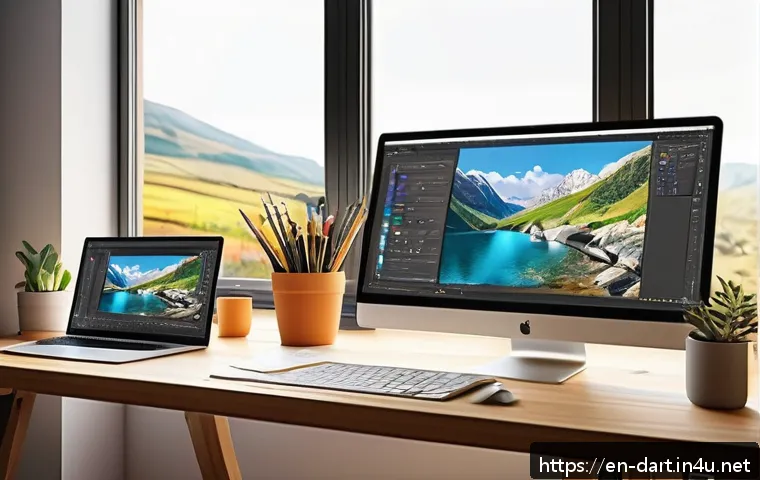
In today’s fast-evolving creative landscape, having access to the right digital art tools can make all the difference. With more artists and designers shifting towards accessible and budget-friendly solutions, free and open source software has become a game-changer.
Whether you’re a seasoned pro or just starting out, these tools offer incredible features without breaking the bank. I’ve personally explored many options, and the variety available now is truly impressive.
Stick around as we dive into some of the best digital art platforms you can start using right away to elevate your creative projects. This is the perfect moment to expand your toolkit and unleash your artistic potential!
Exploring Versatile Open Source Digital Art Suites
User-Friendly Interfaces That Lower the Learning Curve
Many open source digital art programs nowadays come with intuitive interfaces that make jumping right into creativity less intimidating. When I first tried some of these tools, I was pleasantly surprised by how accessible the layout was—even for someone who isn’t tech-savvy.
Features like customizable toolbars and straightforward menus help artists focus more on their work rather than figuring out the software. This approach is a game-changer, especially for beginners who might otherwise feel overwhelmed by complex professional-grade programs.
Advanced Features Rivaling Paid Software
One of the biggest surprises I’ve encountered is how many open source tools pack professional-level capabilities. From pressure-sensitive brush strokes to layer management, vector graphics, and animation support, these programs hold their own against premium software.
For example, some offer robust color management systems and non-destructive editing, allowing you to experiment freely without worrying about ruining your project.
This level of sophistication means you can produce polished, high-quality digital art without needing an expensive subscription.
Cross-Platform Compatibility and Community Support
Another aspect worth highlighting is the cross-platform nature of many open source digital art tools. Whether you’re on Windows, macOS, or Linux, you’ll often find compatible versions that run smoothly, ensuring flexibility no matter your setup.
Plus, the thriving communities behind these projects are incredibly helpful. They provide tutorials, plugins, and troubleshooting advice, which I’ve personally found invaluable when trying to master new techniques or solve unexpected issues.
This collaborative spirit makes learning and creating a lot more enjoyable and less isolating.
Specialized Tools for Different Artistic Styles and Needs
Raster-Based Painting and Drawing Applications
For artists who love the feel of digital painting with brushes and textures, several open source programs excel in raster graphics. These tools simulate traditional media like oils, watercolors, and charcoal with stunning realism.
What I appreciate most is how some apps allow you to customize brush dynamics based on stylus pressure and tilt, providing a natural and responsive experience.
This makes digital painting feel less mechanical and more organic, which can be inspiring when working on detailed portraits or expressive landscapes.
Vector Graphics Editors for Crisp, Scalable Art
If your projects demand clean lines and scalability, open source vector editors are a fantastic choice. I’ve used these extensively for logo design and illustrations that need to look sharp at any size.
The ability to manipulate shapes precisely, adjust bezier curves, and apply gradients without losing quality is a huge advantage. They’re also great for designing icons, typography, and infographics.
Since vectors are resolution-independent, your artwork stays crisp whether it’s on a tiny mobile screen or a giant billboard.
Animation and Motion Graphics Solutions
For creatives interested in bringing their artwork to life, several open source platforms support 2D animation and motion graphics. When I experimented with these, the timeline and frame management tools made the workflow surprisingly smooth.
You can create frame-by-frame animations, rig characters, or add effects, all within the same environment. These programs often integrate well with other design tools, enabling a seamless pipeline from static art to dynamic visuals.
It’s exciting to see how accessible animation has become thanks to these free resources.
Optimizing Your Workflow with Plugin Ecosystems and Customization
Extending Functionality Through Plugins and Add-ons
One of the strengths of open source digital art software is the vibrant ecosystem of plugins and add-ons created by users worldwide. I’ve found that installing specific plugins tailored to your style or project needs can drastically speed up repetitive tasks or add unique effects.
For instance, there are plugins for advanced brush presets, texture generators, or even AI-powered enhancements. This flexibility means the software can evolve with your skills and artistic direction, making it a long-term investment rather than a one-time tool.
Personalizing Your Workspace for Maximum Efficiency
Customizing your workspace is something I didn’t pay much attention to initially, but it made a huge difference once I did. Most open source tools let you rearrange panels, save workspace layouts, and assign keyboard shortcuts.
This personalization streamlines your creative process by reducing unnecessary clicks and keeping your favorite tools within easy reach. Over time, this can significantly boost productivity, especially during intensive projects or tight deadlines.
Collaborative Features and Version Control
In today’s collaborative world, some open source digital art platforms have started integrating features that support teamwork. Whether it’s sharing files seamlessly with cloud storage compatibility or tracking changes with version control, these tools help artists work together without confusion.
From my experience, this is particularly helpful when managing group projects or client revisions, ensuring everyone stays on the same page and that no work gets lost or overwritten.
Comparing Popular Open Source Digital Art Programs
| Program | Primary Use | Platform | Key Features | Best For |
|---|---|---|---|---|
| Krita | Raster Painting | Windows, macOS, Linux | Brush customization, animation support, layer management | Digital painters and illustrators |
| Inkscape | Vector Graphics | Windows, macOS, Linux | Bezier editing, node manipulation, SVG support | Logo design, vector illustrations |
| Blender | 3D Modeling & Animation | Windows, macOS, Linux | 3D sculpting, animation, video editing | 3D artists, animators, motion graphics |
| MyPaint | Digital Painting | Windows, macOS, Linux | Simple interface, brush engine, pressure sensitivity | Sketch artists and beginners |
| Synfig Studio | 2D Animation | Windows, macOS, Linux | Vector tweening, bones system, layer effects | Animators focusing on vector animation |
Enhancing Creativity with Community-Driven Resources
Access to Free Brushes, Textures, and Templates
One of the perks of using open source art programs is the wealth of free resources shared by the community. From custom brushes and textures to ready-made templates, these assets can save a ton of time and add flair to your projects.
I often browse forums and repositories to find unique brush sets that mimic real-world media or special effects. Incorporating these into my workflow has helped me experiment with styles I might never have tried otherwise.
Learning from Tutorials and Peer Feedback
When I was picking up new software, community tutorials were an absolute lifesaver. Many open source projects have dedicated channels on platforms like YouTube or Reddit where artists share tips, tricks, and step-by-step guides.
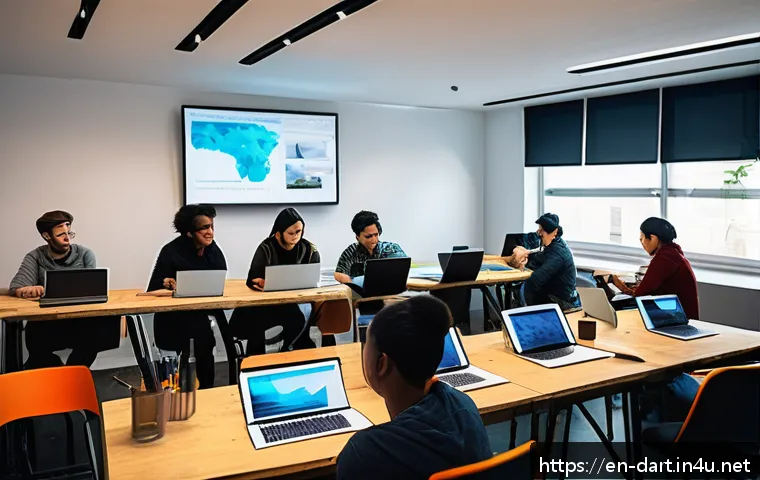
Engaging with these communities not only helped me improve my skills but also gave me motivation to keep pushing my boundaries. Plus, getting feedback from fellow creators can open your eyes to new techniques and perspectives that enrich your art.
Contributing Back and Growing Your Network
What’s truly rewarding about the open source art scene is the chance to contribute your own knowledge or resources. Whether it’s submitting a bug report, creating a plugin, or sharing artwork made with the software, participating actively builds your reputation and connections.
I’ve found that this kind of involvement fosters a sense of belonging and continuous learning, which is invaluable for any artist looking to grow professionally or personally.
Balancing Performance and Hardware Requirements
Lightweight Options for Older Machines
Not everyone has access to the latest high-powered computers, but that doesn’t mean you can’t create amazing digital art. Some open source programs are surprisingly lightweight and optimized to run smoothly on older or less powerful hardware.
I tested a few on my aging laptop, and they performed well without crashes or lag, allowing me to keep working on the go without investing in new gear.
This accessibility is a huge plus for hobbyists and students on a budget.
Leveraging GPU Acceleration for Speed
On the flip side, many open source tools now support GPU acceleration, which dramatically speeds up rendering, brush response, and effects processing.
If you have a mid-range or better graphics card, you’ll notice a significant boost in performance. This capability transforms the creative experience, especially for tasks like painting high-resolution canvases or animating complex scenes.
I’ve personally felt less frustrated and more immersed thanks to these optimizations.
Managing File Sizes and Export Options
Working with digital art often involves juggling large files, which can slow down your system or complicate sharing. Many open source programs offer efficient file management and multiple export formats to tackle this challenge.
For instance, you can save projects in compressed formats or export to widely used file types like PNG, SVG, or GIF. This versatility makes collaboration and publishing easier, whether you’re posting online, printing, or moving assets between different software.
Integrating Open Source Art Tools Into Professional Pipelines
Compatibility with Industry Standards
A concern I initially had was whether open source art tools would play nicely with industry-standard software like Adobe Photoshop or Illustrator. Thankfully, many open source programs support common file formats and export options, making integration smoother than expected.
This means you can start a project in a free tool and finish or refine it in a paid program, or vice versa, without losing quality or having to redo work.
Custom Scripting and Automation
For professionals, saving time through automation is a must. Some open source art software allows scripting in popular languages like Python, enabling you to create custom scripts for repetitive tasks or complex workflows.
I’ve dabbled in scripting to automate batch processing and generate procedural textures, which saved hours in production. This level of customization is often locked behind expensive licenses in commercial software, so it’s a significant advantage.
Cost-Effective Solutions for Freelancers and Studios
Finally, embracing open source digital art tools can dramatically reduce overhead costs for freelancers and small studios. Without recurring subscription fees, you can allocate budget to hardware upgrades, marketing, or training instead.
From my conversations with other creatives, this financial flexibility often leads to greater creative freedom and less stress. Plus, clients appreciate when you can deliver professional-quality work while keeping costs reasonable.
Closing Thoughts
Open source digital art suites have truly transformed how artists create, offering powerful tools without the financial burden. Their accessibility, versatility, and community support make them an excellent choice for beginners and professionals alike. By embracing these resources, you can unlock your creative potential while enjoying a flexible and cost-effective workflow.
Useful Information to Keep in Mind
1. Many open source art programs provide user-friendly interfaces, making them approachable even for those new to digital creation.
2. These tools often rival paid software in features, enabling professional-quality artwork without subscription fees.
3. Cross-platform compatibility ensures you can work seamlessly across different operating systems like Windows, macOS, and Linux.
4. Customization options and plugin ecosystems allow you to tailor the software to your unique creative process.
5. Active communities offer valuable resources such as tutorials, free assets, and collaborative support to help you grow as an artist.
Key Takeaways
Open source digital art software provides a compelling blend of accessibility, professional-grade features, and community-driven growth. They support a wide range of artistic styles and workflows, from raster painting to vector graphics and animation. With strong cross-platform support and customization, these tools fit well into both personal projects and professional pipelines. Additionally, they offer cost-effective solutions without sacrificing quality or performance, making them a smart choice for artists at any stage.
Frequently Asked Questions (FAQ) 📖
Q: uestionsQ1:
A: re free and open source digital art tools suitable for professional projects? A1: Absolutely! Many free and open source digital art tools have evolved tremendously and now offer advanced features comparable to paid software.
From high-resolution support to customizable brushes and layers, these tools can handle professional-level work. In fact, some artists I know rely on them exclusively for client projects.
The key is to explore the options and find the one that fits your workflow best.
Q: Can beginners easily learn to use free digital art software?
A: Yes, most free digital art platforms are designed with user-friendly interfaces, making them accessible to beginners. I remember starting out with one of these tools, and the learning curve was manageable thanks to plenty of tutorials and community support.
Plus, since the software is free, you can experiment without any financial pressure, which really helps boost confidence and creativity.
Q: How do these free tools compare to expensive, subscription-based art software?
A: While subscription-based software often comes with premium features and dedicated customer support, free and open source alternatives have closed the gap significantly.
They might lack some niche functionalities but often provide everything needed for most digital art projects. Personally, I use a mix depending on the project’s complexity, but for many tasks, free tools get the job done just as well without the recurring cost.