The rapid evolution of AI art generators has undeniably opened up exciting new creative avenues, letting us conjure incredible visuals with just a few prompts.
I mean, who hasn’t been absolutely mesmerized by the stunning images these tools can produce? It truly feels like we’re on the cusp of a new artistic renaissance!
But, and it’s a big “but” that’s been weighing heavily on the minds of artists, creators, and even tech enthusiasts like me, this incredible power comes with a tangled web of ethical quandaries.
From questions of who truly “owns” a piece generated by algorithms trained on countless human creations to the very real concerns about how this technology impacts the livelihoods of artists around the globe, the conversation is getting intense.
We’re seeing everything from debates over fair use and intellectual property in courtrooms to discussions about the potential for deepfakes and the perpetuation of biases embedded in training data.
It really makes you pause and consider the bigger picture. Are we enhancing human creativity or inadvertently diminishing it? Let’s explore this thoroughly.
The Blurry Lines of Ownership: Who Really Owns AI-Generated Art?
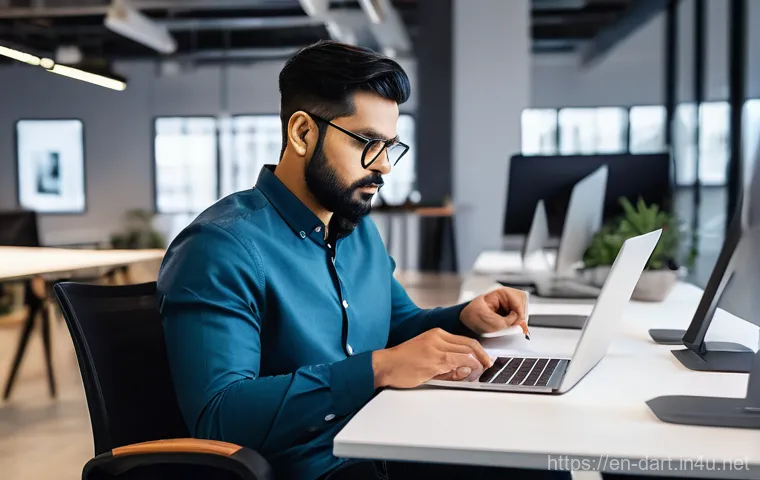
Okay, let’s dive right into one of the biggest head-scratchers when it comes to AI art: who actually owns the dazzling creations that these algorithms spit out? It’s a question that keeps me up at night, and I know I’m not alone. Imagine you’ve spent hours meticulously crafting prompts, tweaking parameters, and finally, you generate a masterpiece. It feels like *your* vision, right? You put in the effort, you guided the AI. But here’s the rub: the AI didn’t create it from scratch in a vacuum. It was trained on literally billions of existing images, many of which are copyrighted works by human artists. So, if the AI’s “inspiration” comes from somewhere else, can you truly claim sole ownership? This isn’t just a philosophical debate; it has very real implications for artists looking to monetize their AI-assisted work, or for companies hoping to use AI-generated assets without legal repercussions. I’ve personally seen artists struggle with this, wondering if their AI creations are truly theirs to sell, or if they’re just treading on shaky legal ground. It’s a Wild West scenario out there, and frankly, we need clearer guidelines, and fast, to protect everyone involved.
The Copyright Conundrum: A Legal Minefield
The legal frameworks around copyright were established long before anyone dreamt of machines painting portraits or designing landscapes. Now, courts and legal experts are trying to fit a square peg into a very round hole. In the U.S., for instance, the Copyright Office has been pretty clear: for a work to be copyrighted, it needs human authorship. So, if an AI is deemed the sole “author,” copyright might not apply at all. This throws a massive wrench into the works for anyone hoping to protect their AI-generated art with traditional copyright. I’ve been following several cases where artists are trying to navigate this, and it’s fascinating to watch how different jurisdictions are grappling with it. Some argue that the human input in prompt engineering is enough to constitute authorship, while others are more skeptical. It really makes you wonder if our legal systems are equipped to handle this technological leap, or if we’re due for a complete overhaul of how we define creative ownership.
Tracing the Creative Lineage: From Data to Art
Another layer to this ownership puzzle is the concept of “derivative works.” If an AI is trained on copyrighted material, can its output be considered a derivative work, requiring permission from the original creators? This is where things get really murky. Most AI art generators don’t directly copy images; they learn patterns, styles, and concepts. But the influence is undeniable. I’ve experimented with different models, and you can sometimes see echoes of famous artists or distinct styles in the results, even if they’re not direct copies. This raises significant ethical questions for the AI developers themselves, who train these models on vast datasets. Are they inadvertently facilitating copyright infringement, or are they creating a completely new paradigm where “learning” from existing art is a transformative process? From my perspective, transparency about training data sources is absolutely crucial here, as it allows us to better understand the lineage of these digital creations.
Fair Compensation and the Future of Human Artists
Let’s get real for a moment about the human element in all of this. While AI art generators are undeniably powerful tools, there’s a palpable fear among human artists that these technologies could threaten their livelihoods. I’ve heard countless stories from illustrators, graphic designers, and concept artists who are worried about being undercut by AI that can produce similar work in seconds, often for free or at a fraction of the cost. It’s not just about losing commissions; it’s about the devaluation of their unique skills and years of dedicated practice. I personally believe we need to seriously consider how we can ensure fair compensation for human creativity in this new landscape. Are we entering a future where the majority of visual content is AI-generated, leaving fewer opportunities for human artists to make a living? It’s a terrifying prospect for many, and it’s something that keeps me thinking about the broader economic implications for the creative industry. We can’t just ignore these very real concerns.
The Threat of Devaluation: Art as a Commodity
When AI can churn out high-quality visuals at an unprecedented speed and scale, it inevitably impacts the perceived value of human-made art. I’ve observed this firsthand in online marketplaces where AI-generated images are starting to flood the market, sometimes making it harder for human artists to stand out or command fair prices. It’s like a race to the bottom, where quantity and speed can sometimes overshadow originality and craftsmanship. This isn’t just about making art; it’s about a living, a career, and a passion for countless individuals. The danger is that art becomes commoditized, a mere fungible asset, rather than something born from unique human experience and emotion. From my conversations with artists, this devaluation isn’t just financial; it’s also deeply psychological, affecting their sense of worth and purpose.
Exploring New Business Models and Artist Support
So, what can we do? I think it’s crucial to explore new business models and support structures that ensure human artists can thrive alongside AI. This might involve advocating for ethical sourcing of training data, implementing royalty systems for artists whose work is used in training sets, or even developing AI tools that specifically empower human creativity rather than replace it. I’m excited by the idea of AI as a collaborator, a powerful brush in an artist’s hand, rather than a competitor. We need to foster environments where human artists can leverage AI to enhance their work, reach new audiences, and explore innovative techniques, all while being fairly compensated for their unique contributions. Perhaps subscriptions to ethically trained AI models or platforms that prioritize human-AI collaboration could be part of the solution. It’s a complex puzzle, but one we absolutely must solve if we want to preserve the vibrancy of human artistry.
Beyond the Canvas: Deepfakes, Bias, and Misinformation
It’s easy to get swept up in the aesthetic marvels of AI art, but we also have to confront the darker side: the potential for misuse. I’m talking about deepfakes, the perpetuation of biases, and the alarming spread of misinformation. While not strictly “art” in the traditional sense, these applications of generative AI technology share the same underlying principles and pose significant ethical challenges. I’ve seen some truly unsettling examples of deepfakes used to create convincing but entirely fabricated images and videos, and it highlights just how powerful—and dangerous—these tools can be when wielded irresponsibly. It’s not just about manipulated faces; it’s about creating entirely fake scenarios, events, and narratives that can erode trust in what we see and hear. As someone who values truth and authentic expression, this aspect of AI’s rapid evolution genuinely concerns me, and it forces us to think about the broader societal implications of such advanced generative capabilities.
The Troubling Rise of Deepfakes
Deepfakes are perhaps the most immediately alarming ethical concern arising from advanced generative AI. These synthetic media creations can depict people saying or doing things they never did, with chilling realism. I’ve followed cases where deepfakes have been used for malicious purposes, from political propaganda to harassment. The ease with which these can now be created, even by individuals with limited technical skills, is genuinely terrifying. It poses a massive threat to individual privacy, public trust, and even democratic processes. The very fact that an image or video can no longer be unequivocally trusted means we’re in a new era of digital skepticism. We need robust detection methods and clear legal frameworks to combat this, but it’s an uphill battle given the rapid advancement of the underlying AI technology.
Unmasking Bias in AI Training Data
Another critical ethical challenge lies in the biases embedded within the training data used for AI art generators. These models learn from the vast ocean of images available online, and unfortunately, that ocean reflects real-world biases—gender stereotypes, racial prejudices, and cultural norms. I’ve personally experimented with prompts that revealed these biases, generating images that reinforced harmful stereotypes without any explicit instruction to do so. For example, asking for “a doctor” might predominantly produce male images, or “a beautiful woman” might lean towards specific, narrow aesthetic standards. This isn’t just an inconvenience; it can perpetuate and even amplify existing societal inequalities. Developers have a massive responsibility to curate and filter training data more thoughtfully, but it’s an immense task. As users, we also need to be aware of these inherent biases and question the “neutrality” of AI-generated content.
Navigating the Legal Labyrinth: Copyright in the Age of Algorithms
The legal side of AI art feels like trying to navigate a maze blindfolded, doesn’t it? The laws around intellectual property were designed for a world where creation was unequivocally human. Now, we have these powerful algorithms transforming pixels into art, and our existing legal frameworks are straining under the weight of this innovation. I’ve spent a fair bit of time delving into the legal arguments, and it’s clear there’s no consensus yet. Different countries are approaching it from various angles, leading to a patchwork of regulations that can be incredibly confusing for artists and developers alike. This uncertainty isn’t just an academic debate; it directly impacts how creators can protect their work, how businesses can use AI-generated assets, and even how AI models are trained in the first place. We’re in desperate need of clear, globally harmonized standards.
The “Fair Use” Debate: A Slippery Slope?
One of the most heated discussions revolves around “fair use.” Proponents of AI art often argue that the models “learn” from existing art in a transformative way, similar to how human artists are influenced by others, and therefore falls under fair use. Opponents, typically human artists, argue that the sheer scale of data ingestion—millions, even billions of copyrighted images—constitutes mass infringement, even if direct copies aren’t produced. From my perspective, this is where the nuance really matters. Is ‘learning’ akin to ‘copying’? The line is incredibly blurry. I’ve seen some lawyers argue that if an AI can generate images in the distinct style of a particular artist, then the artist’s style itself is being exploited without compensation, even if no specific image is copied. This is a battle that’s likely to play out in courts for years to come, setting precedents that will shape the future of digital creativity.
International Variations in IP Law
Adding to the complexity are the vastly different intellectual property laws across nations. What might be considered fair use in one country could be outright infringement in another. This creates a nightmare scenario for anyone looking to distribute or monetize AI-generated art globally. I’ve followed news about differing rulings in the US, EU, and Japan, each taking slightly different stances on AI authorship and copyright. This global inconsistency highlights the urgent need for international dialogue and, ideally, some level of harmonization. Without it, artists and companies face immense legal risk and uncertainty, which stifles innovation and creates barriers to entry. It’s a testament to how quickly technology can outpace our ability to legislate thoughtfully and universally.
Training Data Transparency: The Ethical Backbone of AI Art
If we’re going to talk seriously about the ethics of AI art, we absolutely have to talk about training data. It’s the engine that powers these incredible tools, but it’s also where many of the ethical challenges originate. I’ve found that the lack of transparency around what datasets are used to train these models is a huge problem. We often don’t know who created the original images, if they consented to their work being used, or if they’re receiving any compensation. This opaque process makes it incredibly difficult to assess the ethical footprint of an AI art generator. From my experience, a truly responsible AI art ecosystem needs to prioritize clear, auditable information about its training data. Without it, we’re building on shaky ground, and frankly, it undermines the trust we place in these technologies and the companies behind them. It feels a bit like buying a product without knowing its ingredients or where they came from.
The “Opt-Out” Debate: A Moral Imperative?
A crucial part of the training data discussion is the “opt-out” debate. Should artists have the right to prevent their work from being included in AI training datasets? Many artists feel strongly that their work should not be used without their explicit consent, especially if it’s contributing to tools that could potentially displace them. Companies developing AI models often argue that it’s impractical to get individual consent for billions of images, or that the transformative nature of AI learning falls outside the scope of traditional consent requirements. I personally lean towards giving artists more control. If my art were being used to train an AI, I’d want to know, and I’d want the option to opt out. It’s a matter of respecting individual creators and their intellectual property, even if the legal definitions are still evolving. The lack of an easy and widely recognized opt-out mechanism is a significant ethical hurdle for many in the creative community.
Towards Ethically Sourced Datasets
So, how do we move towards more ethically sourced datasets? I believe the answer lies in a multi-pronged approach. Firstly, greater transparency from AI developers is non-negotiable. They need to disclose the sources of their training data. Secondly, we need to explore mechanisms for compensating artists whose work is included in these datasets, perhaps through micro-payments or licensing agreements. Thirdly, encouraging the use of public domain images, Creative Commons licensed works, or specifically commissioned datasets could provide more ethically sound alternatives. I’m seeing some platforms emerge that are trying to build ethically sourced datasets from the ground up, and that gives me hope. It’s a huge undertaking, but it’s essential if we want AI art to be a force for good, rather than a tool that exploits existing creative work. We need to build a system where the “art” of AI respects the art of humanity.
Cultivating Coexistence: Finding Harmony Between Humans and AI in Art
After all this talk about the challenges, I still hold out hope for a future where human and AI artistry can coexist beautifully. It’s not about one replacing the other; it’s about finding ways for them to complement and elevate each other. I’ve personally experimented with AI as a creative partner, using it to brainstorm ideas, generate different compositional variations, or even just to push the boundaries of my own imagination. The results can be truly inspiring when approached with an open mind and a clear artistic vision. The key, I believe, lies in viewing AI as a sophisticated tool, much like a paintbrush or a camera, rather than an autonomous creator. It’s about leveraging its immense capabilities to augment human creativity, not diminish it. This symbiotic relationship holds the promise of unlocking entirely new forms of artistic expression and reaching audiences in ways we never thought possible. It’s a journey, and we’re just at the beginning.
AI as a Creative Assistant, Not a Replacement
My vision for the future of AI in art is one where it acts as a powerful assistant, not a replacement. Imagine an AI that can quickly generate dozens of concept sketches based on your input, allowing you to explore ideas much faster than before. Or an AI that can help you overcome creative blocks by offering unexpected variations or stylistic prompts. I’ve used AI to generate texture maps for 3D models and even to experiment with different color palettes, and it’s saved me countless hours. The real magic happens when the human artist brings their unique perspective, emotion, and storytelling to the table, using the AI to amplify their vision. It’s about maintaining human control and direction, ensuring that the AI remains a servant to the artistic intent, not the other way around. This collaborative model is where I see the most exciting potential for innovation and genuine artistic growth.
Building Communities and Fostering Dialogue
To truly foster this coexistence, we need to build stronger communities around AI art and encourage open dialogue between human artists, AI developers, and policymakers. I’ve found that many of the fears surrounding AI stem from a lack of understanding or miscommunication. By creating platforms where artists can share their experiences, learn best practices for using AI tools, and voice their concerns, we can collectively work towards solutions. Education is also key; helping artists understand the technology and its limitations can empower them to engage with it more constructively. It’s about creating a culture of mutual respect and understanding, where the benefits of AI can be harnessed responsibly while safeguarding the integrity and livelihoods of human creators. The conversation is ongoing, and every voice contributes to shaping this exciting, albeit complex, future.
| Ethical Aspect | Human Artist Perspective | AI Developer Perspective |
|---|---|---|
| Ownership & Copyright | Concerns about infringement; desire for clear human authorship. | Focus on transformative use; challenges in attributing origin. |
| Fair Compensation | Fear of job displacement and devaluation of skills; desire for royalties. | Emphasis on efficiency and accessibility; challenges in implementing compensation. |
| Training Data | Demand for transparency and opt-out options; concerns about unauthorized use of work. | Difficulty in curating vast datasets; arguments for “learning” from public data. |
| Bias & Misinformation | Concerns about perpetuating stereotypes; potential for deepfakes. | Efforts to mitigate bias; development of detection tools; recognition of societal impact. |
The Economic Impact: A Shifting Creative Landscape
Let’s not shy away from the economic realities here. The advent of AI art generators isn’t just a creative revolution; it’s an economic earthquake for the creative industries. I’ve personally witnessed how small businesses and independent creators are starting to grapple with these changes. On one hand, AI offers incredible cost-saving opportunities for tasks like generating marketing visuals, prototypes, or even quick concept art. This can democratize access to high-quality visual content, which is fantastic for those with limited budgets. But on the other hand, it puts immense pressure on human artists who previously relied on these types of commissions. The market is shifting beneath our feet, and it’s forcing everyone to re-evaluate their value proposition and adapt. I genuinely believe that understanding these economic forces is crucial if we want to build a sustainable future for *all* creators, human and AI-assisted alike. It’s a nuanced discussion that goes beyond just art; it touches on labor, innovation, and economic equity.
New Market Opportunities for Creative Entrepreneurs
Despite the challenges, I’m actually quite optimistic about the new market opportunities that AI art is creating for creative entrepreneurs. Think about it: someone who can master prompt engineering and combine it with a keen artistic eye can now offer unique services that weren’t possible before. I’ve seen small agencies leverage AI to deliver rapid prototyping for clients, or individual artists create entirely new product lines using AI-generated designs on merchandise. There’s a burgeoning market for AI art prints, customized AI-generated avatars, and even educational content teaching others how to effectively use these tools. It’s about seeing the shift not as an end, but as a new beginning, pushing us to innovate in how we create, how we deliver value, and how we connect with audiences. Those who adapt quickly and embrace these new tools, integrating them thoughtfully into their workflow, are poised to thrive in this evolving landscape.
The Evolving Role of the Human Artist
So, what does this mean for the role of the human artist? I think it demands a shift in focus. Instead of solely competing on raw output, human artists will increasingly need to emphasize their unique strengths: storytelling, emotional depth, conceptual thinking, and the ability to imbue work with genuine human experience. AI can generate beautiful images, but it can’t feel, it can’t live, it can’t tell a truly personal story with the same nuance as a human. The human touch—the intentionality, the passion, the unique perspective—will become even more valuable. I believe artists will evolve into curators, directors, and conceptualizers, using AI as a powerful extension of their creative will. It’s about elevating our role from mere “makers” to “visionaries” who orchestrate complex creative processes, blending technology with profound human insight. This isn’t the end of art; it’s an exciting, if challenging, redefinition of what it means to be an artist.
Wrapping Things Up
So, as we pull back from this fascinating dive into the world of AI art, it’s pretty clear we’re standing at a thrilling, yet complex, crossroads. The questions of ownership, ethical use, and the very definition of creativity aren’t going to resolve themselves overnight. From what I’ve seen and experienced, this isn’t just a fleeting trend; it’s a profound shift that demands our attention, our dialogue, and our collective effort to shape a future where technology truly empowers human creativity without overshadowing it. It’s an ongoing conversation, and honestly, that’s what makes it so exciting and so vital. Let’s keep talking, keep learning, and keep creating, always striving for that sweet spot where human ingenuity and algorithmic power dance in harmony.
Useful Information to Keep in Mind
1. Understand Copyright Nuances: In 2025, the U.S. Copyright Office continues to affirm that purely AI-generated works without significant human input are generally not eligible for copyright protection. If you’re using AI, document your creative process, showcasing your “substantial creative choices” like editing, layering, or arranging AI outputs to potentially secure protection for your human contributions. This is a critical distinction that I’ve found many creators overlook, but it’s essential for protecting your work and building a sustainable art practice.
2. Embrace AI as a Collaborator, Not a Crutch: Instead of viewing AI as a competitor, think of it as a powerful assistant. Many artists, including myself, are using AI for brainstorming, generating concept art, exploring different styles, or even creating texture maps, which can dramatically speed up workflow and enhance creativity. The most successful approaches I’ve seen involve artists guiding the AI with their unique vision, then refining and “humanizing” the output.
3. Prioritize Ethical Training Data: A huge concern remains the ethical sourcing of AI training data. As creators, we should advocate for greater transparency from AI developers about their datasets. Look for platforms that openly state they use licensed or public domain material, or those that offer opt-out mechanisms for artists. Building trust in the AI art ecosystem means ensuring that original creators are respected and, ideally, compensated.
4. Explore New Monetization Strategies: The creative landscape is shifting economically, but new opportunities are emerging. Consider offering services like prompt engineering expertise, creating unique AI-generated designs for merchandise (with clear human oversight and originality), or developing educational content around ethical AI art creation. Platforms like the proposed SORA Marketplace suggest models where creators can license AI-generated assets, creating new revenue streams while ensuring transparency.
5. Stay Informed on Legal and Ethical Debates: The legal frameworks are still catching up to the technology. Keep an eye on rulings from copyright offices globally and discussions around the EU AI Act or similar regulations, as they will continue to shape how AI-generated content is viewed and protected. Understanding these evolving guidelines is paramount for anyone serious about navigating the AI art space responsibly and successfully.
Key Takeaways
Ultimately, the world of AI art is a dynamic frontier. Human input is critical for copyright, and ethical considerations around training data and fair compensation are paramount. The future, in my opinion, lies in fostering a collaborative relationship between human artists and AI, where technology serves to amplify our creative potential rather than diminish it, all while navigating the evolving legal and ethical landscapes with transparency and a proactive approach. It’s a journey of continuous learning and adaptation for all of us in the creative space.
Frequently Asked Questions (FAQ) 📖
Q: I’m seeing so many incredible
A: I-generated images out there, but as an artist myself, I can’t help but worry about what this means for our jobs and the value of human-made art. Are AI art generators really going to replace human artists?
A1: Oh, believe me, that’s a question that keeps a lot of us up at night, myself included! It’s a really valid concern, and I’ve been grappling with it too.
From my perspective, it’s less about replacement and more about a seismic shift in the creative landscape. Think of it like the invention of the camera – it didn’t eliminate painters; it just changed what painting became.
AI art generators are incredible tools, no doubt. They can churn out visuals at lightning speed and with mind-boggling detail, which could certainly impact certain types of commercial art, especially where speed and volume are paramount.
However, what AI lacks, and what I deeply believe will always be irreplaceable, is that raw, human spark. The unique life experiences, the subtle emotional nuances, the intentional imperfection, and the narrative only a human can truly weave into a piece.
I’ve personally found that while AI can mimic styles, it struggles with genuine innovation that comes from personal struggle or a sudden burst of inspiration.
Artists might find themselves shifting roles, perhaps becoming “AI whisperers” who expertly guide these tools, or focusing even more intensely on highly personalized, conceptual, or performance-based art.
It’s a challenge, yes, but also an invitation to evolve and redefine what “art” means in this new era. The key is to see it as a collaborator or a powerful brush, not a competitor.
Q: With all these
A: I images floating around, who actually owns the art? If an AI makes it, does it belong to the programmer, the user, or no one? It feels like a legal quagmire!
A2: You’ve hit on one of the biggest, thorniest issues right now, and believe me, the legal minds are absolutely scrambling to catch up! “Who owns it?” is the million-dollar question, and honestly, there’s no universally agreed-upon answer yet, which is why it feels like such a quagmire.
On one hand, many AI models are trained on vast datasets of existing human artwork, which immediately brings up questions of fair use and copyright infringement.
It’s like feeding a machine a library of books and then asking it to write a new one – how much of the original influence is too much? From a practical standpoint, most of the major AI art platforms have their own terms of service regarding ownership.
Some grant full commercial rights to the user who inputs the prompt, while others might retain some claims. But here’s where it gets really murky: if you just type in “a cat in a space helmet,” you might have a different claim than if you input a highly detailed, unique prompt based on your own original concepts.
Courts are still figuring out whether AI can even be considered an “author” under existing copyright law, which traditionally requires human authorship.
My personal take, and what I advise others, is to always check the specific platform’s terms. And if you’re planning on commercializing AI-generated art, it’s wise to be very clear about your original input and creative direction.
The future likely involves new legal frameworks and perhaps even specific licensing models for AI-assisted creations.
Q: Beyond ownership, are there other ethical issues with
A: I art we should be worried about? I’ve heard whispers about things like deepfakes and biases. A3: Absolutely, and these are conversations we need to be having loudly and clearly.
Beyond the immediate concerns for artists and intellectual property, AI art generators come with a whole host of broader ethical implications that I find genuinely unsettling at times.
The “deepfake” potential is probably the most alarming. Imagine perfectly rendered, believable images of people doing or saying things they never did.
This isn’t just a fun novelty; it has serious ramifications for misinformation, reputation damage, and even impacting elections or legal proceedings. It’s a digital minefield.
Then there’s the issue of bias. These AI models learn from the data they’re fed, right? If that data largely consists of images reflecting existing societal biases – say, underrepresentation of certain groups, or perpetuating stereotypes – the AI will learn and amplify those biases.
I’ve personally experimented with prompts and seen how easily the AI leans into certain aesthetics or representations, sometimes creating images that are just… not representative of our diverse world.
It’s a stark reminder that the technology isn’t neutral; it reflects the biases of its creators and the data it consumes. For me, this underscores the immense responsibility on developers to curate diverse, ethical datasets and on users to be critically aware of what they’re generating and sharing.
We have to push for transparency and accountability, because the power of these tools demands it.