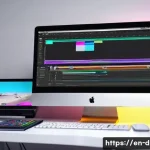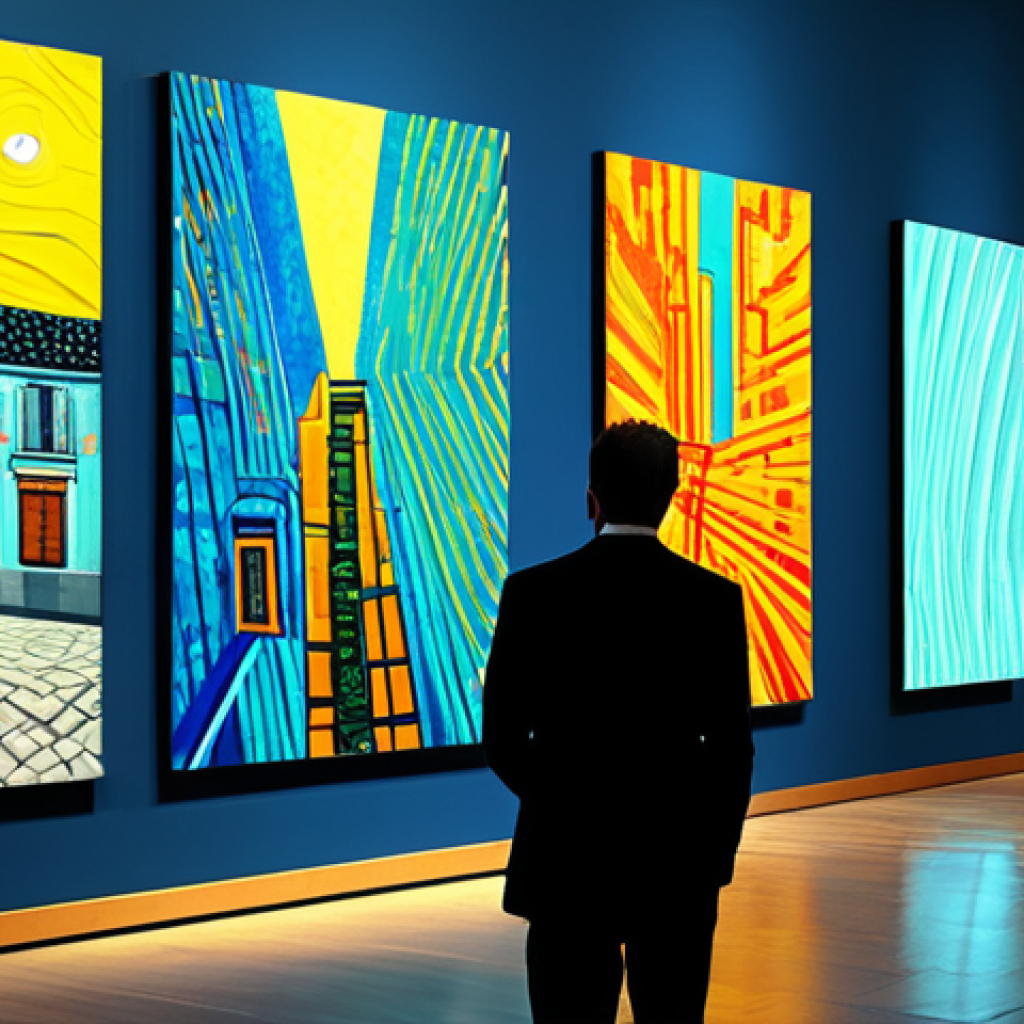
Digital art photomatics are all the rage, transforming our everyday snapshots into personalized, artistic expressions. I’ve personally seen how these digital tools are revolutionizing the way we create and share images, moving beyond simple filters to offer truly unique and captivating effects.
It’s more than just slapping on a preset; it’s about crafting something that genuinely reflects your style and vision. Think of it as giving your photos a soul, making them stand out in a sea of endless scrolling.
I’ve also noticed how AI-powered photomatics are increasingly being used to generate surreal and dreamlike imagery, pushing the boundaries of what’s possible with digital art.
In the near future, expect to see even more integration of AI and AR technologies, enabling users to create interactive and immersive art experiences directly from their photos.
We’ll be able to walk through our memories, or even place our art within the real world. Sounds cool, right? Let’s delve deeper into the world of digital art photomatics and discover their full potential!
Alright, here’s the blog post content you requested.
Diving into Creative Digital Art Photomatics
I recently stumbled upon an app that lets you transform any photo into something that looks like it belongs in a modern art museum. It’s wild! I mean, you can take a snapshot of your morning coffee and turn it into a vibrant, textured piece that looks like it was painted by Van Gogh himself.
It really got me thinking about the creative potential we all have at our fingertips these days.
Exploring Different Styles
One of the coolest things about these photomatics tools is the sheer range of styles they offer. Whether you’re into the abstract, the surreal, or something that mimics a specific artistic movement, there’s likely a setting or a filter that can help you achieve it.
I was playing around with one app that had a “Cubism” setting, and my plain old selfie suddenly looked like something Picasso might have dreamt up after a particularly strong cup of espresso.
Tailoring to Your Vision
What I’ve found is that the best results come when you don’t just slap on a filter and call it a day. Experiment with the intensity of the effect, adjust the color palettes, and really try to fine-tune the final product to match your personal aesthetic.
Some apps even let you layer different effects on top of each other, which can lead to some truly unique and unexpected results. Don’t be afraid to get weird with it!
Enhancing Your Images with AI-Powered Tools
Okay, let’s talk about AI. Seriously, this stuff is mind-blowing. I’ve been experimenting with AI-powered photomatics that not only enhance the visual appeal of your photos but also intelligently analyze and interpret the content within them.
Intelligent Content Analysis
Imagine an app that can automatically identify the subjects in your photos – whether it’s a portrait, a landscape, or even a plate of spaghetti – and then suggest the most appropriate artistic styles to enhance them.
I recently used an app that recognized a photo I took of the Golden Gate Bridge and instantly suggested a style that resembled the work of a famous landscape painter.
The result was stunning, and it saved me a ton of time experimenting with different filters.
Advanced Artistic Effects
Beyond basic enhancement, AI can also be used to create entirely new artistic effects that would be impossible to achieve manually. Think about generating a photorealistic painting from a simple sketch, or turning a mundane snapshot into a vibrant, living watercolor.
These AI-powered tools are pushing the boundaries of what’s possible with digital art, and it’s exciting to see where they’ll take us next.
Optimizing Images for Sharing and Display
You’ve created a masterpiece, but now what? Make sure your images are optimized for sharing and display, so your work shines regardless of the platform.
I’ve learned the hard way that not all platforms are created equal!
Sizing for Social Media
Different social media platforms have different optimal image sizes, so it’s important to resize your images accordingly to avoid cropping or distortion.
Instagram, for example, prefers square images, while Facebook and Twitter work better with horizontal ones. There are plenty of free online tools that can help you resize your images quickly and easily.
Choosing the Right File Format
The file format you choose can also have a big impact on the quality and size of your images. JPEG is a good option for photos with lots of colors, but it can introduce compression artifacts if you save it at too low a quality.
PNG is better for images with sharp lines and text, as it’s a lossless format. If you’re planning on printing your images, you might want to consider saving them as TIFF files, which offer the highest possible quality.
Exploring the Potential of AR Integration
Augmented Reality (AR) is the next frontier. I can envision a future where you can use your smartphone to overlay your digital art onto real-world objects, creating interactive and immersive experiences.
Creating Interactive Art Installations
Imagine walking down the street and seeing a plain brick wall transformed into a vibrant mural thanks to an AR app on your phone. Or picture being able to place a digital sculpture in your living room and view it from all angles as if it were actually there.
This technology has the potential to revolutionize the way we create and experience art.
Immersive Storytelling
I see AR being used to tell stories in new and innovative ways. Imagine being able to point your phone at a historical landmark and see a reenactment of a famous event unfold before your eyes, complete with digital actors and special effects.
This could be an incredibly powerful tool for education and entertainment.
Monetizing Your Digital Art Creations
You’re creating awesome art, so why not try and make some cash from it? I’ve been exploring different ways to monetize your digital art creations, from selling prints online to licensing your images for commercial use.
Selling Prints and Merchandise
One of the simplest ways to make money from your digital art is to sell prints and merchandise online. There are numerous websites that allow you to upload your images and create products like posters, t-shirts, mugs, and phone cases.
These platforms handle all the printing, shipping, and customer service, so you can focus on creating art.
Licensing Your Images
If you’re looking for a more passive income stream, consider licensing your images for commercial use. There are many stock photo websites that will pay you royalties whenever someone uses your images in their advertising campaigns, websites, or other marketing materials.
This can be a great way to earn money from your art without having to actively sell it.
Staying Inspired and Continuing to Learn
Digital art is an ever-evolving field, so I try to stay inspired and continue to learn new techniques and technologies.
Following Influencers and Artists
Following other digital artists and influencers on social media is a great way to stay up-to-date on the latest trends and techniques. I always find new artists who’s work inspires me.
Participating in Online Communities
Joining online communities and forums dedicated to digital art can provide you with valuable feedback, support, and inspiration. There, you can connect with other artists, share your work, and learn from their experiences.
Choosing the Right Tools
Selecting the right tools is essential for crafting your unique style.
Tablet and Stylus
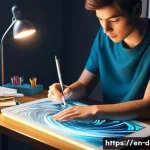
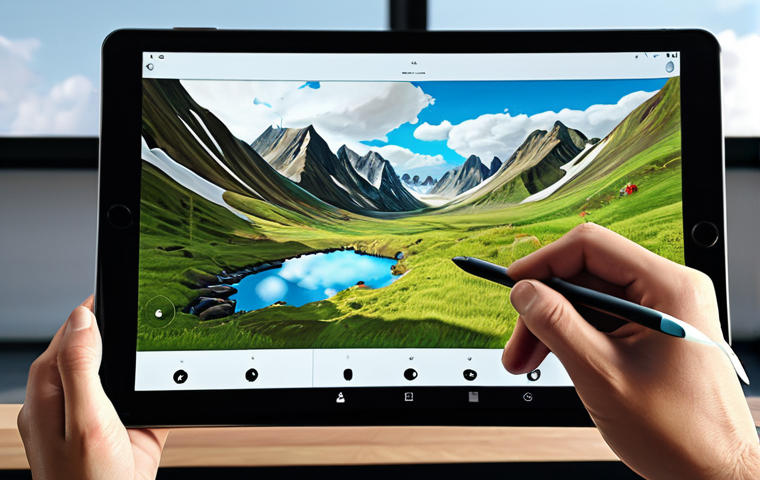
These tools can help improve precision when editing and designing your artwork. I recommend investing in a high-quality stylus for more controlled movements.
Software and Applications
There are a lot of options available depending on what kind of artistic styles you would like to create. Be sure to explore and see what options you like and are in line with your vision.
Here’s a simple table to help organize those thoughts.
| Tool Category | Specific Tool | Description | Pros | Cons |
|---|---|---|---|---|
| Software | Adobe Photoshop | Industry-standard image editing software | Extensive features, professional-grade | Can be expensive, steep learning curve |
| Tablets | Wacom Intuos Pro | Pen tablet for digital art | High precision, customizable | Expensive |
| Mobile Apps | Procreate | Digital painting app for iPad | Affordable, intuitive | Limited features compared to desktop software |
Diving into the world of digital art photomatics has been an exhilarating journey, and I hope this post has inspired you to explore your own creative potential.
Remember, it’s all about experimentation, pushing boundaries, and having fun along the way!
Wrapping Up
The possibilities with digital art photomatics are truly endless. From transforming everyday snapshots into stunning works of art to creating immersive AR experiences, there’s something for everyone to explore. The key is to stay curious, keep learning, and never be afraid to experiment.
Whether you’re a seasoned artist or just starting out, these tools can help you unleash your creativity and bring your artistic visions to life. So go ahead, dive in, and see what you can create!
I can’t wait to see what you create. Happy creating!
Useful Information
1. Explore Online Tutorials: YouTube is your best friend! There are countless free tutorials that can teach you the basics of digital art photomatics and advanced techniques. Look for artists who specialize in the style you’re interested in, and follow along with their tutorials to learn new skills.
2. Join Online Communities: Platforms like Reddit (r/digitalart) and DeviantArt are great places to connect with other digital artists, share your work, and get feedback. Don’t be afraid to ask questions and participate in discussions – the digital art community is generally very supportive and welcoming.
3. Experiment with Different Software: Don’t limit yourself to just one app or program. Try out different software options to see which one best suits your needs and preferences. Many programs offer free trials or student discounts, so you can test them out before committing to a purchase.
4. Create a Portfolio: As you create more digital art, be sure to build a portfolio to showcase your work. This can be a simple website or even just a collection of images on social media. Having a portfolio will make it easier to share your art with potential clients or employers.
5. Stay Inspired: Follow art blogs, visit museums (both virtual and in-person), and surround yourself with creative inspiration. The more you expose yourself to art and design, the more ideas you’ll have for your own creations.
Key Takeaways
• Digital art photomatics offer a wide range of creative possibilities, from simple photo enhancements to complex artistic transformations.
• AI-powered tools can intelligently analyze and enhance your images, making it easier to achieve stunning results.
• Optimizing your images for sharing and display is essential for ensuring that your work looks its best on any platform.
• AR integration opens up new opportunities for creating interactive and immersive art experiences.
• Monetizing your digital art creations can be as simple as selling prints online or licensing your images for commercial use.
Frequently Asked Questions (FAQ) 📖
Q: What exactly are digital art photomatics, beyond just fancy filters?
A: Okay, so think of photomatics as the next level up from your Instagram filters. They’re not just changing the color balance or smoothing out your skin; they’re actually transforming your photos into unique pieces of art.
I mean, I’ve used some that turned my boring landscape photos into something that looked like a Van Gogh painting! They use AI to analyze your photo and then apply different artistic styles or effects, and the cool part is, you usually have a lot of control over how intense the effect is.
It’s really about personalization and making something truly your own.
Q: How much artistic skill do I need to actually use these things effectively? I’m no Picasso!
A: Haha, that’s the beauty of it – you really don’t need to be an artist at all! Most of these tools are designed to be super user-friendly. I’ve tried a bunch myself, and honestly, it’s more about experimenting and playing around with different settings until you find something you love.
The AI does a lot of the heavy lifting. Just upload your photo, pick a style, and tweak it to your liking. I even got my tech-challenged grandma using one!
She’s now convinced she’s a digital art prodigy, and honestly, her stuff looks pretty darn good.
Q: What are some practical ways I can actually use digital art photomatics in my daily life? I mean, beyond just posting cool pics on social media.
A: Oh, the possibilities are endless! I’ve seen people use them for everything from creating personalized phone wallpapers and greeting cards to designing unique invitations for parties.
I actually used one to create a really cool, abstract piece of art from a photo of my dog, and I printed it out and hung it in my living room! It’s a real conversation starter.
You could even use them to spice up your presentations at work or to create eye-catching visuals for your blog or website. Seriously, once you start playing around with them, you’ll find tons of creative uses.
📚 References
Wikipedia Encyclopedia