Hey there, fellow art enthusiasts! Have you ever poured your heart into a digital character, only to feel like they’re just… floating, completely detached from their world?
I know that feeling all too well. It’s like they’re stuck on a green screen, even if the background you painted is breathtaking. In our fast-evolving digital landscape, especially with incredible AI advancements right at our fingertips, the magic truly happens when your characters don’t just *exist* in a scene, but become an integral, living part of it.
We’re seeing a huge shift towards art that champions the human touch, where every brushstroke and design choice tells a story, making the harmony between your characters and their environment more critical than ever before.
Forget those flat, uninspired compositions; 2025 and beyond are all about creating worlds where your heroes truly shine and feel like they belong, drawing viewers into a deeply immersive experience.
I’ve spent countless hours experimenting with techniques to achieve this seamless blend, and let me tell you, it’s a game-changer for bringing your visions to life and making them genuinely pop.
Ready to stop those character-background disconnects in their tracks and elevate your artwork to stunning new heights? Let’s dive deeper into it below and make your digital art truly sing!
Illuminating Your Vision: Crafting Dynamic Lighting to Unite Your Art
You know, for the longest time, I used to think of lighting as just “making things visible.” Boy, was I wrong! It’s so much more than that; it’s the very soul of your scene, the invisible thread that ties your character firmly to their world. When I started truly understanding how light behaves and interacts, it was like unlocking a cheat code for digital art. Suddenly, my characters weren’t just lit up; they *belonged* there, embraced by the same sun or moonlight that touched their surroundings. It’s about creating a consistent light source, one that feels natural and makes sense, whether it’s the harsh midday sun or the gentle glow of a cyberpunk neon sign. Think about how light wraps around objects, how it softens or sharpens edges, and how reflections play on different surfaces. This isn’t just a technical exercise; it’s a storytelling tool. I’ve personally found that spending extra time on this step can elevate an otherwise good piece to something truly breathtaking, making viewers pause and truly feel the environment you’ve built.
The Subtle Dance of Ambient Light and Its Narrative Power
Ambient light, that soft, all-encompassing glow that bounces around a scene, is often overlooked, but it’s pure magic. It’s not about a direct light source; it’s the indirect illumination that fills the shadows and gives your scene its overall mood and depth. When I first started, I’d just slap a spotlight on my character and call it a day, wondering why they looked so detached. The revelation came when I started experimenting with ambient occlusion and global illumination – suddenly, my characters looked like they were actually *in* the space, not just pasted onto it. This light picks up the colors of the environment, subtly tinting your character and making them feel like they’re breathing the same air. It helps define forms and gives a sense of volume that direct light alone can’t achieve. Trust me, paying attention to this subtle dance is a game-changer for grounding your characters.
Casting Shadows That Tell More Than Just a Shape
Oh, shadows! They’re not just dark blobs; they are silent storytellers, anchoring your characters and objects firmly to the ground they stand on. A character without a convincing shadow beneath them feels like they’re floating, doesn’t it? I learned this the hard way after countless hours staring at my screen, thinking, “Why does this feel off?” It turned out my shadows were too soft, too hard, or just plain wrong. The quality, direction, and intensity of a shadow instantly tell your viewer about the light source, its strength, and even the time of day. Are they sharp and defined, suggesting a bright, direct sun? Or soft and diffused, hinting at an overcast sky or indoor lighting? And here’s a pro tip I swear by: make sure your character’s shadow interacts with the environment, wrapping around objects or falling realistically on uneven terrain. This small detail provides immense visual continuity and makes your character feel genuinely integrated. It’s all about making those shadows work hard for your composition!
Harnessing Volumetric Effects for Breathtaking Depth
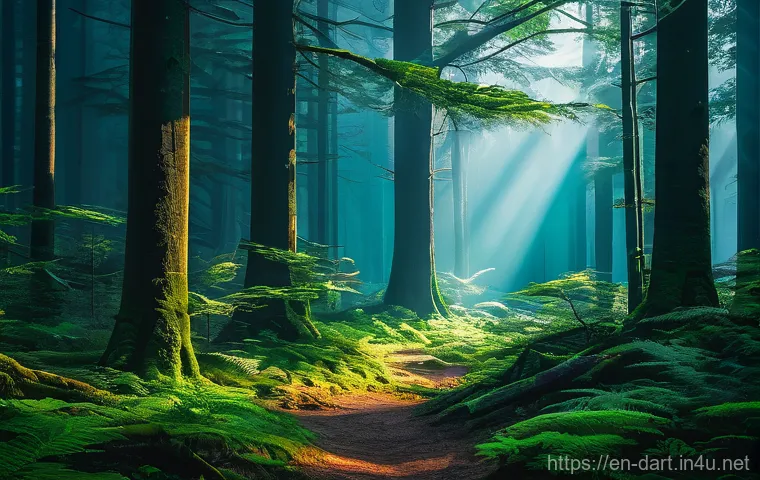
Volumetric lighting – think god rays, atmospheric haze, or that thick, almost tangible fog filtering through a forest. This isn’t just a pretty effect; it’s a powerful tool for creating incredible depth and weaving your character into the very atmosphere of your scene. I remember the first time I really nailed volumetric lighting in a piece, adding subtle dust motes catching the light, and it transformed the entire artwork. The character, who was once just standing there, suddenly felt immersed in a tangible environment, surrounded by the scene’s air and particles. It adds a layer of realism and can dramatically enhance the mood, from eerie and mysterious to warm and inviting. Experiment with how light interacts with the air itself, how it disperses and creates visible beams. This technique not only adds a dramatic flair but also helps define the scale and distance within your composition, pulling the viewer deeper into the world you’ve meticulously crafted.
Weaving Worlds with Color: Harmonizing Palettes for Emotional Resonance
Color is such a primal force in art, isn’t it? It’s not just about picking pretty hues; it’s about speaking a language without words, setting the emotional stage, and fundamentally tying your character to their surroundings. I used to fall into the trap of coloring my characters entirely separate from their background, leading to this jarring, cut-and-paste look. What a difference it made when I started thinking about the scene as a whole, as one cohesive color narrative! Every shade, every tint, every saturation level contributes to the overall feeling and helps guide the viewer’s eye. It’s like conducting an orchestra where every instrument plays in harmony. This isn’t about matching colors exactly, but about understanding how they influence each other and how environmental colors subtly bleed onto your character, creating a visual glue that makes everything feel connected. Mastering color harmony has personally been one of the most rewarding aspects of my digital art journey.
From Local Hues to Global Glow: Tying Characters to Their Backdrop
Think about a character standing in a lush green forest. Even if their primary color is, say, a deep red, you’d expect to see some subtle green reflections or hints of it in their shadow areas, right? This is the concept of local color versus environmental influence, and it’s critical for seamless integration. My early work often lacked this crucial interaction; characters looked like they belonged to a different dimension. But by introducing these environmental color shifts, however subtle, you create an optical illusion that your character is physically present in that space. It’s not about overdoing it, but a gentle kiss of the environment’s dominant colors on your character’s surfaces and in their ambient light. I’ve found that using a low-opacity layer with the scene’s overall color palette and gently brushing it over your character can work wonders. This technique makes them look like they’re absorbing and reflecting the light and colors of their world, truly grounding them in the scene.
The Emotional Language of Color: Setting the Scene’s Mood
Colors speak volumes, even before a viewer consciously processes shapes or forms. A vibrant, warm palette can instantly evoke feelings of joy and adventure, while cool, desaturated tones might hint at melancholy or a desolate landscape. I often begin a piece by asking myself, “What do I want the viewer to *feel*?” before I even pick my first brush. This emotional intent then dictates my color choices for both the character and the environment. If your character is facing a challenging moment, a dramatic, desaturated background with sharp contrasts might enhance that feeling. Conversely, a soft, harmonious palette can make your character seem at peace within their surroundings. It’s about consciously using color to amplify the narrative and the character’s emotional state, making the background an active participant in the storytelling, rather than just a pretty backdrop. This thoughtful approach really elevates a piece beyond just technical execution.
Leveraging Atmospheric Perspective to Build Immersion
Have you ever noticed how distant mountains appear bluer, lighter, and less detailed than objects closer to you? That’s atmospheric perspective at play, and it’s a powerful tool for creating depth and making your digital scenes feel truly immense. When I started implementing this in my art, it was like suddenly being able to breathe life into flat backgrounds. By gradually desaturating and shifting the hues of elements further away, and reducing their contrast and detail, you create a convincing illusion of distance. This isn’t just for landscapes; even an indoor scene can benefit from subtle atmospheric haziness in the background. It naturally pushes your character forward, establishing them firmly in the foreground, and makes the background recede believably. My personal workflow now always includes a pass for atmospheric perspective, as it’s one of the quickest ways to add a professional, immersive feel to any digital painting.
Beyond the Frame: Composing Scenes That Breathe Life Into Characters
Composition, for me, is like the silent choreographer of your artwork. It’s not just about where you put things; it’s about how everything relates, how the viewer’s eye is led, and ultimately, how naturally your character fits into the visual narrative. In my early days, my characters often felt like they were just plopped onto a background, visually disconnected. That’s because I wasn’t thinking about the *relationship* between the elements. Learning to compose with intention – thinking about lines, shapes, and negative space – completely revolutionized my approach. It’s about creating a visual flow that gently guides your audience from the character into their environment and back again, ensuring a seamless visual journey. A well-composed piece just *feels* right, doesn’t it? It holds your gaze, inviting you to explore every detail without feeling overwhelmed or lost.
Strategic Placement: Integrating Figures Seamlessly into the Narrative
Where you place your character isn’t arbitrary; it’s a deliberate choice that impacts how they interact with and relate to their surroundings. Is your character part of a busy crowd, suggesting a larger world? Are they isolated in a vast landscape, emphasizing solitude? I’ve found that strategically placing characters within the environment, rather than just centering them, instantly creates a stronger connection. Think about how natural elements – trees, buildings, rock formations – can frame your character or create interesting negative space around them. This isn’t just about making things look pretty; it’s about making your character feel like an organic part of the scene’s story. Sometimes, a subtle overlap with a background element, or having the character partially obscured, can create a powerful sense of depth and believability. It makes the viewer believe the world exists beyond the character, and the character exists within that world.
Depth and Dimension: Building a Visual Rapport Between Foreground and Background
Creating a sense of depth is paramount for immersing your characters in their environment. Without it, your scene can feel flat, almost like a stage backdrop. My breakthrough came when I started thinking in layers: foreground, midground, and background. Each layer plays a vital role in establishing distance and giving the scene a three-dimensional quality. A strong foreground element, perhaps a piece of foliage or a subtle texture, can pull the viewer into the scene, making your character in the midground feel more grounded. Conversely, a well-defined background, softened by atmospheric perspective, makes the environment feel vast and real. It’s all about building visual steps that the eye can follow, creating a convincing illusion of space. I often use scale differences between elements in different layers to enhance this effect, making the foreground objects larger and the background elements smaller, reinforcing the depth.
Guiding the Eye: The Power of Leading Lines and Visual Flow
Leading lines are those unspoken pathways in your artwork that effortlessly direct the viewer’s gaze, often towards your character or a key focal point. Think of a winding road leading to a distant castle, or a river flowing towards a figure standing on its banks. I love playing with leading lines because they provide such an elegant way to integrate characters into their environment without explicitly drawing an arrow. They create a natural visual flow, preventing the viewer’s eye from getting stuck or wandering aimlessly. It could be the edge of a building, a path, a fence, or even a subtle arrangement of elements in the environment that guides the eye. When combined with other compositional tools like framing and rule of thirds, leading lines ensure that your character is not just *in* the scene, but is the *destination* within that scene, seamlessly connected to every element around them.
The Tactile Touch: Integrating Textures and Details for Authentic Worlds
There’s a certain magic that happens when textures and details are handled just right – your digital art transcends the screen and suddenly feels tangible, believable, almost as if you could reach out and touch it. For a long time, my characters felt a bit too “smooth,” a little too perfect, which created a subtle disconnect from the often grittier, more textured environments I was placing them in. It took me a while to realize that this subtle mismatch was breaking the illusion. Now, I see texture as another layer of storytelling, a way to add history, wear, and realism to both my characters and their worlds. It’s not about slapping on a random texture map; it’s about understanding how different materials react to light, how they accumulate dust, how they show their age. This attention to tactile realism is what makes a digital painting truly sing, making the viewer believe that this world, and the characters within it, could actually exist.
Matching Materiality: Ensuring Believability in Every Surface
Imagine a character wearing a slick, modern suit standing in an ancient, crumbling ruin. If the suit has the wrong type of reflections or if the ruin’s stones lack convincing rough edges, the whole image falls apart. Matching materiality is about ensuring that the properties of your character’s clothes, skin, and props are consistent with the properties of the environment’s surfaces. Does the character’s metal armor reflect the dusty sky of the desert? Does their skin show subtle imperfections that align with the natural world they inhabit? This consistency is paramount. I’ve found that experimenting with different brush textures and paying close attention to reference photos for how various materials react to specific lighting conditions makes a huge difference. When everything looks like it’s made of the same “stuff,” within the context of your scene, the illusion of reality becomes incredibly strong.
Subtle Textural Cues: The Art of Environmental Cohesion
Sometimes, it’s the barely-there details that truly pull a scene together. I’m talking about the way a character’s boot might kick up a tiny puff of dust on a dirt road, or how rainwater might bead slightly on their jacket, mirroring the dampness of the surrounding environment. These subtle textural cues are powerful because they show interaction, rather than just placement. They demonstrate that the character is not just *on* the ground, but *part of* it. I love adding little touches like dust on shoulders in a desert scene, or a faint sheen of moisture on exposed skin during a rain shower. These are the details that scream “realism” and make a character feel truly embedded. It’s often these tiny, almost imperceptible elements that make a viewer subconsciously believe in the integrity of your entire artwork.
Adding the Story in the Details: Wear, Tear, and Environmental Interaction
Details tell a story. A character whose clothes are pristine in a battlefield, or whose boots are spotless in a muddy swamp, immediately creates a dissonance. Incorporating wear and tear, or evidence of environmental interaction, is a brilliant way to make your characters feel like they’ve actually *lived* in their world. Scratches on armor from a recent skirmish, mud splatters on a cloak, or sun-faded fabric – these aren’t just visual elements; they’re narrative clues. My own art improved drastically when I started thinking about the journey my character had undertaken. What would they have encountered? What marks would their environment leave on them? This thoughtful addition of detail, from the smallest tear to the most subtle stain, makes your characters feel authentic, seasoned, and profoundly connected to the story their environment is telling. It’s about building a consistent visual history.
| Integration Element | Common Pitfall | Pro Tip for Seamless Harmony |
|---|---|---|
| Lighting & Shadows | Inconsistent light sources or floating shadows. | Match shadow direction, softness, and color to the primary light source; use ambient occlusion. |
| Color Palette | Character colors clashing with background or feeling isolated. | Introduce subtle environmental color reflections onto your character; use a unified color grading pass. |
| Perspective & Composition | Character appears “pasted” on; flat backgrounds. | Utilize foreground elements to frame; employ atmospheric perspective for depth; use leading lines to guide the eye. |
| Textures & Details | Mismatched material properties or lack of environmental interaction. | Ensure textures align with the environment’s wear and age; add subtle dust, water, or dirt where appropriate. |
| Atmosphere & Mood | Environment feels sterile; character lacks emotional connection to scene. | Incorporate volumetric lighting effects (fog, haze); reflect the character’s emotional state through environmental color/light. |
Characters Alive: Dynamic Interaction with Their Digital Environment
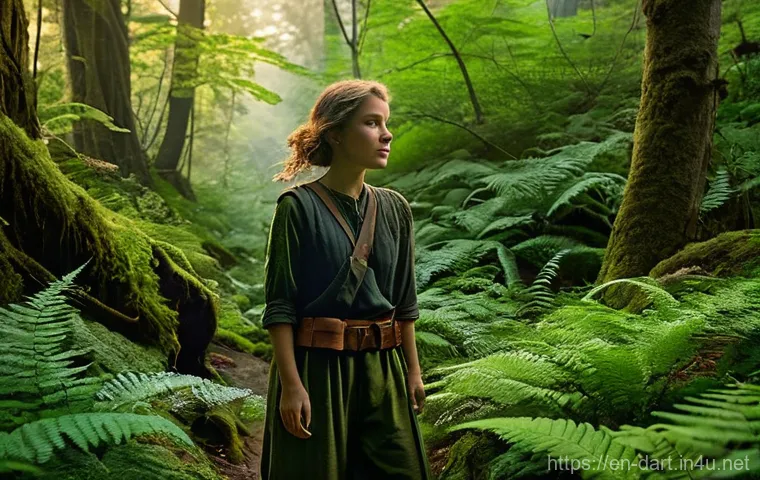
It’s one thing for a character to simply *exist* in a scene; it’s an entirely different, more powerful thing for them to *interact* with it. When I talk about interaction, I mean more than just having them stand there. It’s about their pose, their expression, and how the environment literally responds to their presence. For years, I struggled with making my characters feel dynamic, like they were truly moving through or reacting to their world. The breakthrough came when I started thinking about them as actors on a stage, engaging with every prop and every piece of scenery. This dynamic engagement is what truly brings a piece to life, forging an undeniable link between your character and the digital world you’ve painstakingly created. It’s about making the viewer feel the weight, the emotion, and the narrative consequences of their presence.
Posing with Purpose: Reacting to the World Around Them
A character’s pose isn’t just about making them look cool; it’s a powerful narrative tool that instantly communicates their relationship with their environment. Are they leaning against a wall, suggesting a moment of rest or contemplation? Are they bracing themselves against a strong wind, showing the environment’s harshness? I’ve found that even the slightest tilt of a head or the subtle shift of weight can tell a huge story about what’s happening around them. A character jumping over a fallen log, for instance, instantly integrates them into a forest setting far more effectively than if they were just standing next to it. Think about how their body language can reflect the terrain, the weather, or even the emotional temperature of the scene. This deliberate posing breathes life into your figures, making them active participants rather than static additions.
Shared Elements: Bridging the Gap Between Character and Scene
One of the easiest yet most effective ways to integrate characters is through shared elements. This could be something as simple as a character’s hand resting on a tree trunk, a piece of fabric snagged on a thorny bush, or their reflection shimmering in a puddle on the ground. These are tangible, physical points of contact that visually connect your character to their world. I love including these little details because they create such a strong sense of realism and presence. It’s about demonstrating a physical cause and effect – the character’s weight on the ground, their interaction with objects, even their effect on the atmosphere. These shared elements act as visual bridges, telling the viewer that the character and environment are not separate entities, but parts of the same cohesive reality. It makes the digital world feel truly reactive.
Evoking Emotion Through Interconnectedness: A Visual Symphony
Ultimately, the goal of creating character-environment harmony is often to evoke a specific emotion or tell a deeper story. When your character feels truly interconnected with their surroundings, their emotional state becomes amplified by the scene itself. A character feeling despair might be depicted hunched against a stormy, desolate landscape, the environment mirroring their inner turmoil. Conversely, a triumphant character might stand atop a vibrant, sun-drenched peak. I always try to ensure that the environment doesn’t just exist *around* my character, but actively *resonates* with their journey and feelings. This emotional interconnectedness transforms your artwork into a visual symphony, where every element plays a role in conveying the overarching narrative and making the viewer feel deeply connected to both the character and their world. It’s about that gut feeling, that sense of genuine belonging.
The Invisible Hand: Crafting Atmosphere and Mood for Deep Immersion
Atmosphere. It’s that ethereal, almost spiritual quality that makes a piece of art feel alive, doesn’t it? It’s not always something you can point to directly, but you *feel* it. For me, atmosphere is the invisible hand that pulls a viewer into the scene, making them feel like they could step right into the digital world I’ve created. I remember struggling to make my scenes feel truly immersive, even when the characters and lighting were good. The missing ingredient, I realized, was a carefully crafted atmosphere that enveloped everything. It’s about more than just what you see; it’s about what you *sense* – the chill in the air, the density of the fog, the quiet hum of a distant city. This is where your artwork transcends mere visual representation and truly becomes an experience, making your characters breathe the very air of their fictional world.
Beyond the Obvious: Fog, Dust, and Environmental Particles as Storytellers
Fog, mist, dust motes dancing in a sunbeam, falling snow, or even subtle underwater particulates – these aren’t just decorative elements; they are powerful atmospheric tools. They literally fill the space between your character and the background, blurring distant objects and adding a tangible layer to your scene. I’ve often used a touch of volumetric fog to create a sense of mystery or isolation, making a character feel truly lost in a vast wilderness. Dust particles, subtly catching the light, can suggest a long-abandoned ruin or a busy, lived-in space. These elements aren’t just visual; they evoke sensory experiences. They speak of air quality, temperature, and even time of day, making the environment feel dynamic and real. Adding these fine, almost imperceptible details is like adding the final seasoning to a meal – it just completes the flavor.
Reflecting Emotion: How the Environment Echoes Your Character’s Journey
One of the most profound ways to create harmony is by having the environment actively mirror or contrast your character’s emotional journey. Is your character feeling triumphant? Perhaps a sun-drenched, open vista awaits them. Are they filled with dread? A stormy, oppressive sky or a dark, claustrophobic forest can amplify that feeling. I’ve found that consciously designing the environment to reflect the character’s internal state adds an incredible layer of depth and pathos to the artwork. It makes the world feel like an active participant in their story, rather than just a passive backdrop. This isn’t about being overly literal, but about using the inherent emotional qualities of light, color, and atmospheric conditions to echo and enhance the character’s narrative, creating a truly unified and impactful piece.
The Whispers of the World: Implied Sensory Details
Even in a purely visual medium like digital art, you can imply sounds, smells, and temperatures. This is where atmosphere truly shines, creating a multisensory experience for the viewer. A character huddled in a blizzard implies biting cold and the howl of wind, even if you don’t draw wind lines. A dimly lit, ancient temple with dust motes implies silence and the smell of old stone. I love thinking about these implied sensory details because they push the viewer’s imagination further, making them actively participate in building the world. It’s about evoking a feeling, a memory, or an imagined experience. When your environment is so rich with these unspoken cues, your character inherently feels more real, more connected, and truly embedded in a living, breathing world, engaging the viewer on a much deeper, more personal level.
The Final Masterstroke: Post-Processing for a Unified, Polished Look
You’ve poured your heart into every detail: the character, the environment, the lighting, the textures. But sometimes, even with all that effort, there’s still a subtle visual separation, like two beautiful pieces of a puzzle that aren’t quite clicking. That’s where post-processing swoops in like a superhero. For me, it’s the ultimate unifying force, the final polish that marries everything together, making your character and their world feel like they were born from the same artistic vision. I used to think post-processing was just for “fixing” mistakes, but I’ve come to see it as an essential creative step, a way to add that extra layer of magic that transforms a great image into an unforgettable one. It’s about making everything sing in harmony, ensuring a consistent visual language across the entire canvas, and really bringing out the intended mood.
Color Grading: Unifying Your Vision Across All Elements
Color grading is, without a doubt, one of my favorite post-processing techniques. It’s like applying a single, cohesive filter over your entire artwork, gently adjusting the hues, saturation, and contrast of every element – your character, their clothes, the background, the sky – so they all fall into a perfectly harmonized palette. I used to spend hours trying to color match elements individually, only to find they still didn’t quite gel. Then I discovered the power of a final color grade, and it was a revelation! By subtly shifting the overall color temperature, adding a hint of a certain tone to the shadows, or pushing the highlights in a particular direction, you can instantly create a unified mood and atmosphere. This process acts like a visual glue, ensuring that your character feels like an integral part of their color environment, rather than an isolated entity.
Adding Analog Charm: Grain, Aberration, and Lens Effects for Authenticity
In our perfectly crisp digital world, sometimes adding a touch of “imperfection” can actually make an image feel more real, more authentic, almost like a photograph taken with a real camera. I love experimenting with subtle grain, chromatic aberration, or even a slight lens distortion – effects that mimic the natural qualities of traditional optics. These aren’t meant to be obvious or distracting; they’re about adding a layer of organic texture and visual interest that can make your digital art feel more grounded and less sterile. A little bit of grain, for instance, can smooth out any harsh digital gradients and make the entire image feel more cohesive. It’s about evoking that nostalgic, analog charm that helps trick the eye into believing this is a moment captured, rather than meticulously crafted. These subtle additions make a huge difference in adding character and depth.
The Art of Subtlety: Vignetting and Focus for Narrative Emphasis
Have you ever noticed how some photographs naturally draw your eye to the subject, almost as if the edges fade away? That’s often a result of vignetting and careful use of focus, and these techniques are incredibly powerful in digital art for emphasizing your character and unifying the composition. A gentle vignette, where the edges of the image are slightly darkened, naturally frames your character and keeps the viewer’s gaze centered. Similarly, a subtle depth of field effect, where the background is slightly blurred, ensures your character stands out without feeling cut out. I often use these in the final stages to guide the eye and reinforce the narrative focus. It’s not about being heavy-handed; it’s about delicate, almost imperceptible adjustments that create a professional, polished feel, making your character the undeniable star of their beautifully integrated world.
Wrapping Things Up
Whew! We’ve covered a lot of ground today, haven’t we? It’s truly amazing how all these different elements—lighting, color, composition, texture, interaction, and atmosphere—come together to create something far greater than the sum of its parts. I hope walking through my own journey and these thought processes has illuminated how profoundly each choice impacts the final piece. Remember, it’s not just about drawing pretty pictures; it’s about weaving a narrative, evoking emotion, and making your characters feel undeniably *real* within the worlds you so meticulously build. Trust me, dedicating time to these integration techniques will absolutely transform your art, making it resonate on a much deeper level with anyone who sees it. Keep experimenting, keep pushing, and most importantly, keep telling those incredible stories!
Handy Tips You’ll Want to Bookmark
Alright, so we’ve delved deep into the magic of making your characters truly belong in their worlds. To make sure you’ve got some actionable takeaways, here are my top five go-to tips that I swear by in my own workflow. These are the things I constantly remind myself of, and they’ve made a huge difference in elevating my work from “good” to “wow!”
1. Start with Your Story: Before you even pick a color, ask yourself what emotion you want to convey. Your narrative intention should guide every decision, from the warmth of the light to the intensity of the shadows. This emotional bedrock makes all the technical decisions fall into place more naturally.
2. Embrace Reference, Always: Seriously, don’t skip this! Study how light behaves on different surfaces in the real world, how colors subtly bleed into each other, and how textures truly look up close. A good reference image is like having a private tutor for your art, showing you the nuances you might otherwise miss.
3. Layer Your Worlds: Think in foreground, midground, and background. Actively use elements in each layer to create depth and frame your character. Even simple things like a branch in the foreground can dramatically enhance the sense of immersion and pull the viewer into the scene.
4. Subtle Touches are Golden: It’s not about grand gestures. It’s the tiny details—a faint dust mote in a sunbeam, a subtle environmental color reflected on skin, or a realistic cast shadow—that truly sell the illusion. These whisper “realism” more loudly than any dramatic effect.
5. Post-Process with Purpose: Don’t view post-processing as a fix-all, but as a unifying final touch. Use color grading to harmonize your entire piece, or add a touch of atmospheric haze to tie your character to the scene. It’s the final masterstroke that brings everything together beautifully.
Key Takeaways for Your Art Journey
If there’s one thing I want you to remember from today’s deep dive, it’s this: seamless character-environment integration isn’t just a technical skill; it’s a mindset. It’s about viewing your art as a cohesive ecosystem where every element interacts and contributes to a singular, compelling narrative. By consciously considering how light wraps around forms, how colors reflect, how composition guides the eye, and how textures tell a story, you’re not just creating an image – you’re building a world that feels lived-in, authentic, and utterly believable. This holistic approach, grounded in experience and observation, is what will truly set your work apart. It’s about moving beyond simply placing a character in a scene, and instead, letting them breathe the same air, share the same light, and exist in a world that is undeniably their own. Keep nurturing that artistic intuition, and your digital creations will truly come alive.
Frequently Asked Questions (FAQ) 📖
Q: My characters always seem to look like they’re just pasted onto the background, no matter how much effort I put into the environment. What’s the secret to truly making them feel part of the scene?
A: Oh, I totally get that frustration! It’s like you’ve done everything right, but there’s still that nagging feeling of a disconnect. From my own journey, the biggest game-changer has been focusing on something I call the “environmental dance.” Think about it: light, shadow, and atmosphere aren’t just background elements; they interact with your character.
I’ve personally found that paying super close attention to how the light sources in your scene actually hit your character, casting accurate shadows and reflections, makes an enormous difference.
If your scene has a warm sunset, ensure that warm glow subtly kisses your character’s edges. If there’s a dense fog, a slight desaturation and softening of your character’s silhouette can work wonders.
And don’t forget subtle atmospheric effects – a bit of dust, a few falling leaves, or even just a hint of atmospheric haze in the distance can pull everything together beautifully.
It’s about creating those tiny visual cues that tell the viewer, “Hey, these two belong together!” This really immerses your audience, and trust me, they’ll spend more time admiring those little details.
Q: With all the amazing
A: I tools popping up, how can I actually leverage them to enhance character-environment harmony without losing that vital “human touch” in my art? A2: That’s a fantastic question, and one I’ve been wrestling with a lot lately!
It’s true, AI is a powerhouse, but it’s how we direct that power that truly matters. I personally view AI as a sophisticated assistant, not a replacement for my creative vision.
For instance, I’ve started using AI tools for initial ideation and quick environmental mock-ups. Instead of spending hours meticulously blocking out a scene, I can get a general sense of light and composition, or explore different textures and atmospheric moods in minutes.
This frees up so much of my time and mental energy to focus on the truly artistic elements—like perfecting a character’s expression, refining a unique pose, or hand-painting those intricate details that scream “my style.” The trick is to use AI for the heavy lifting of exploration or generating base assets, and then infuse your unique artistic voice and emotional depth into the final product.
It’s about letting AI handle the technical groundwork so you can pour your soul into the storytelling and the character’s integration, making your piece uniquely yours.
It’s incredibly efficient, and I’ve found it actually enhances my creativity because I’m not bogged down by repetitive tasks.
Q: What are some common pitfalls artists fall into that make their characters feel disconnected, and how can we avoid them?
A: Oh, there are definitely a few classic traps we all stumble into, myself included! One of the most glaring is the “one-size-fits-all lighting” approach.
You know, where you render your character beautifully under ideal studio lighting, then just plop them into a dramatically lit scene. It immediately screams “fake” because the light isn’t interacting logically with the environment.
To avoid this, always consider the source, intensity, and color of light in your scene first, and then apply that specific lighting to your character.
Another huge one is ignoring subtle reflections and color bounce. A character standing near a bright red wall should have a tiny, almost imperceptible red tint bouncing onto them from that wall.
These small details, which I often had to painstakingly add myself, are pure gold for immersion. And finally, don’t forget about scale and perspective.
Sometimes, a character feels disconnected simply because their perspective doesn’t quite match the background’s horizon line or their scale is slightly off compared to surrounding objects.
I’ve learned to double-check those fundamentals with fresh eyes. It’s those little adjustments, often just a few pixels here or a subtle color shift there, that elevate a good piece to an absolutely stunning one, making your art incredibly engaging and enjoyable for viewers.