Hey fellow art enthusiasts and game lovers! You know, in the ever-evolving world of digital art, some styles just have an enduring magic, don’t they? Today, I’m thrilled to dive into two absolute powerhouses that continually captivate us: the vibrant, distinct look of cel-shading and the intricate, artistic flair of hand-painting.
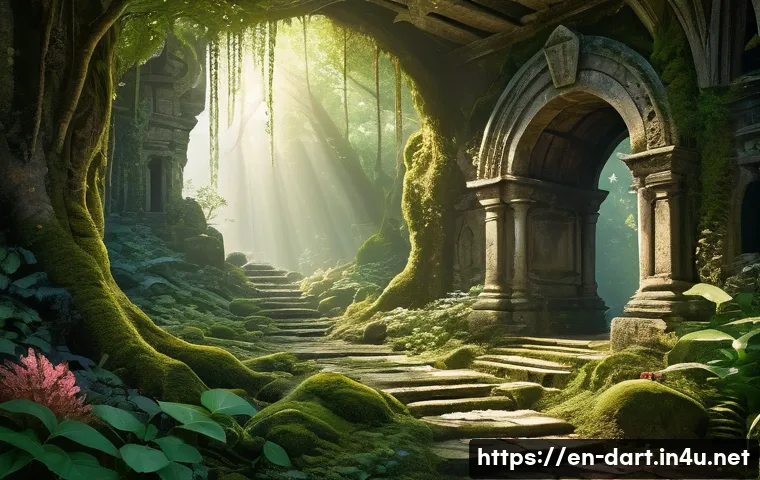
Having personally explored countless games and animations that utilize these techniques, I’ve seen firsthand how each breathes unique life into incredible worlds, evoking totally different feelings and experiences.
What truly makes them tick, how do creators decide which visual path to take, and why should you care as a player or aspiring artist? I’m excited to share my insights and help you understand the fascinating nuances between these beloved styles right now!
Unveiling the Unique Charms of Each Art Style
The Bold Strokes of Cel-Shading: A Timeless Allure
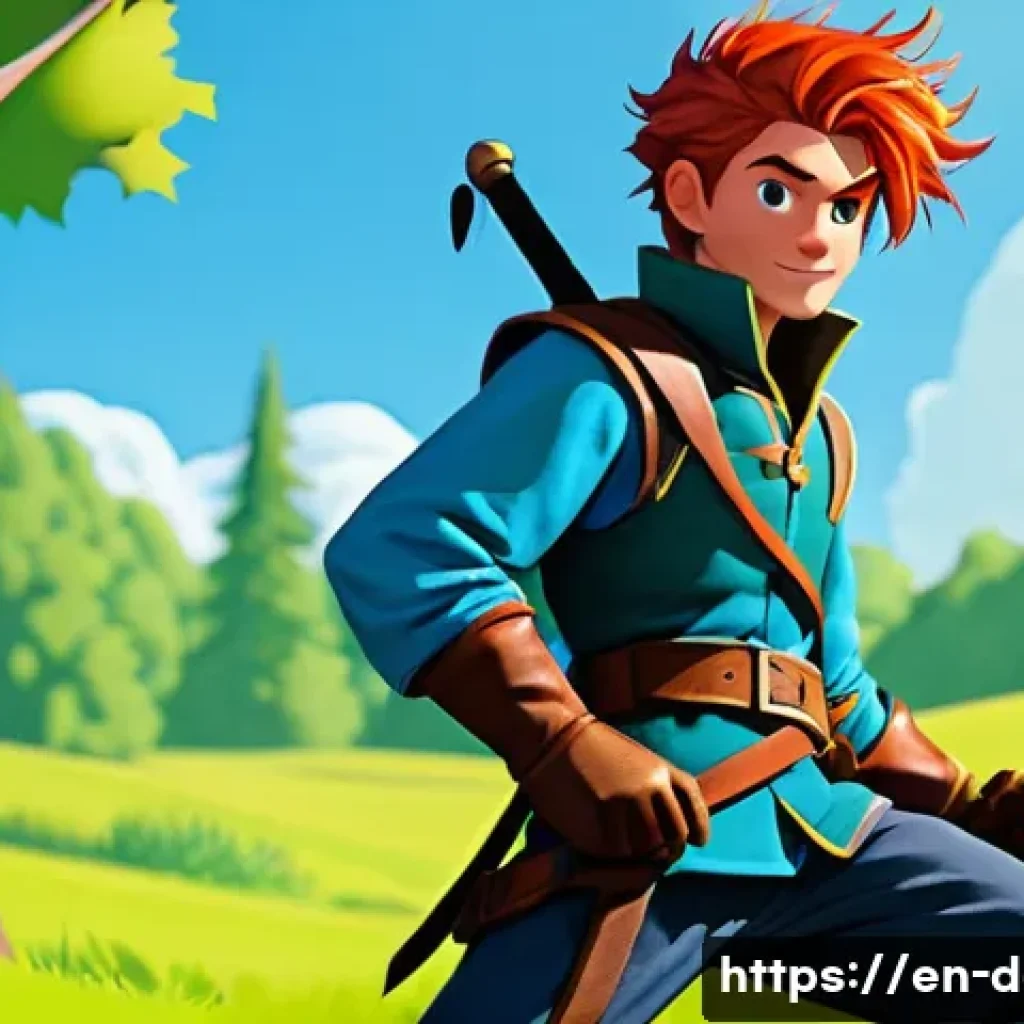
Honestly, when I first encountered games using cel-shading, it was an instant connection. There’s just something incredibly captivating about those stark, thick outlines and the way colors pop with such vibrant energy.
It feels like stepping right into a living comic book or an animated film, and who wouldn’t want that kind of immersive magic? What I’ve personally observed is how this style simplifies complex forms into something immediately recognizable and aesthetically pleasing.
It’s not about photorealism; it’s about creating an exaggerated, expressive reality where every detail feels intentionally placed and contributes to a cohesive, eye-catching whole.
This approach often gives games a unique character that stands the test of time, sidestepping the relentless chase for graphical fidelity that can quickly date more realistic titles.
I remember playing a certain cel-shaded adventure game years ago, and even today, its visuals feel as fresh and impactful as they did on day one. It’s a testament to how powerful a distinct artistic vision can be, ensuring that the experience remains engaging and visually appealing for ages, keeping players coming back for more.
The Intricate Layers of Hand-Painted Textures: An Artist’s Soul
On the flip side, diving into a hand-painted world is like admiring a masterwork of digital art. Every texture, every environmental detail, tells a story.
I’ve spent countless hours in games where you can just feel the artist’s hand in every brushstroke, every carefully blended color gradient. It’s a painstaking process, I’m sure, but the payoff is immense: a world that feels incredibly rich, organic, and truly lived-in.
Unlike the often flat, graphic nature of cel-shading, hand-painting brings a depth and warmth that draws you in. I’ve found myself pausing just to appreciate the way a mossy stone wall is rendered or how sunlight catches a worn wooden beam.
This style often lends itself to creating incredibly atmospheric environments, whether it’s a fantastical forest teeming with life or a gritty, steampunk city humming with industry.
It allows for a level of detail and artistic nuance that can convey mood and narrative without relying on exposition, making the world itself a character in the story.
It’s a visual language that speaks directly to the imagination, inviting you to explore every nook and cranny.
Crafting Worlds: The Technical Magic Behind the Scenes
Simplifying Complexity: The Cel-Shading Pipeline’s Ingenuity
From a creator’s perspective, cel-shading isn’t just an artistic choice; it’s a technical marvel that simplifies certain aspects while introducing its own unique challenges.
What’s fascinating is how it leverages lighting and shading to achieve that distinctive, flattened look. Instead of smooth gradients, developers use clever algorithms to produce hard transitions between light and shadow, often limiting the color palette to achieve that iconic comic-book effect.
I’ve talked to developers who swear by its efficiency for character design and animation, particularly when aiming for a consistent, stylized aesthetic across a large cast.
Once the shader logic is in place, the focus shifts more towards strong modeling, expressive animation, and clear silhouette reading. However, getting those outlines just right, ensuring they don’t look jaggy or disappear in certain camera angles, requires a lot of finesse and technical know-how.
It’s a balance between artistic vision and code, a dance that, when perfected, produces visuals that are both striking and performant, which is a huge win for anyone building a game or animation.
The Artistic Labor of Hand-Painted Assets: A Dedication to Detail
Now, hand-painting, oh boy, that’s where the true artistic grit comes in! From what I’ve seen and heard, this approach is incredibly labor-intensive, demanding a colossal amount of time and skill from texture artists.
Imagine having to literally paint every surface, every rock, every blade of grass, to achieve that cohesive, artistic vision. It’s not just about slapping on a color; it’s about understanding light, shadow, wear, and tear, and rendering all of that with a digital brush.
Every asset, from a hero character to a tiny pebble, often gets its own custom texture, ensuring that no two elements look exactly alike unless intentionally designed that way.
This meticulous process often leads to incredibly unique and memorable worlds, but it also means a longer development cycle and a higher demand for highly specialized artists.
The beauty of it, though, is the sheer personality that shines through. It’s a direct connection between the artist’s vision and the player’s screen, and as someone who appreciates the craft, I can truly feel that human touch in every pixel.
More Than Just Looks: The Emotional Resonance and Player Impact
Evoking Nostalgia and Playfulness with Cel-Shade’s Charm
When I play a cel-shaded game, there’s often an immediate sense of playfulness and even a dash of nostalgia, especially if you grew up with animated cartoons.
This style has a fantastic way of inviting you into a world that feels less threatening and more adventurous, almost like a playground for your imagination.
It streamlines visual information, making characters and environments easy to read, which is incredibly important in fast-paced action games or puzzle titles where clarity is key.
I’ve noticed how this visual directness contributes to better player comprehension and reduces visual clutter, allowing the gameplay to shine through without distraction.
There’s an inherent charm to its simplicity that makes it universally appealing, transcending age groups. It’s the kind of art style that makes you smile, encouraging you to embrace the fantastical elements of the game without demanding a suspension of disbelief that photo-realism often requires.
It’s a comforting, familiar aesthetic that encourages extended playtime and encourages players to linger in its bright, bold worlds.
Drawing Players into Rich, Textured Narratives with Hand-Painting
In contrast, hand-painted graphics often excel at creating a deeper, more profound emotional connection by building rich, textured narratives directly into the environment.
When you’re in a world where every tree, every building, and every character model has been painstakingly painted, it just feels more substantial, more authentic.
I’ve found that this level of detail allows for more subtle storytelling; a worn path might indicate frequent travel, or a faded tapestry could hint at forgotten histories.
It creates a sense of gravitas and history that can be harder to achieve with the cleaner lines of cel-shading. This immersive quality encourages exploration and a slower pace of engagement, rewarding players who take the time to appreciate the world around them.
It speaks to a different kind of player – one who savors atmosphere, lore, and the feeling of truly inhabiting another reality. For me, these are the games where I get lost for hours, not just in the mechanics, but in the sheer beauty and artistry of the world itself.
The Developer’s Dilemma: Choosing the Right Visual Path
When Cel-Shading Just Makes Sense for the Vision
Deciding between cel-shading and hand-painting is a huge creative and practical crossroads for any developer. From what I’ve gathered, cel-shading often makes the most sense when the core vision leans heavily into a highly stylized, perhaps even fantastical or comedic tone.
If your game aims for a unique identity that stands out from the crowd of hyper-realistic titles, then cel-shading is a powerful tool. It’s fantastic for conveying strong character personalities through exaggerated features and clear expressions.
For instance, games that prioritize fast-paced action or a distinct comic book feel often benefit immensely from this style, as it maintains clarity and readability even in chaotic moments.
It’s also a smart choice for teams with specific technical limitations or those aiming for a broad appeal across various hardware, as its stylized nature can be less demanding on graphical horsepower compared to highly detailed realistic textures.
When the narrative is best served by a lighthearted, vibrant, or distinctly animated feel, cel-shading often hits that sweet spot perfectly, creating a lasting impression that resonates with players who appreciate bold artistic statements.
Embracing the Hand-Painted Vision for Depth and Immersion
Conversely, embracing a hand-painted vision is typically the way to go when the goal is deep immersion, intricate world-building, and a powerful sense of place.

If your game relies on rich lore, subtle environmental storytelling, and a feeling of historical depth, then hand-painting provides the tools to achieve that.
This style is often favored for expansive RPGs, fantasy adventures, or strategy games where players are expected to spend hundreds of hours exploring and appreciating the detailed environments.
It allows for an incredible range of textures and atmospheric effects that can convey emotion and narrative without explicit dialogue. For teams that prioritize artistic expression and want every pixel to reflect a handcrafted touch, the labor of hand-painting is a worthwhile investment.
It’s a choice that speaks volumes about the game’s artistic integrity and its commitment to creating a world that feels genuinely unique and full of character, drawing players into its depths with every intricate detail.
A Deep Dive into Aesthetics: How They Shape Your Game Experience
The Clean Lines and Dynamic Expression of Cel-Art
When I consider the aesthetic impact, cel-shading really stands out for its graphic clarity and dynamic expression. The clean, hard lines and distinct shadow breaks make every object and character pop, creating a visual hierarchy that’s easy for the eye to follow.
This is incredibly effective in games where quick decision-making and clear visual feedback are paramount. I’ve found that this style can inject a tremendous amount of personality into characters; their expressions and movements feel more pronounced, almost like an animated cartoon brought to life.
It’s an art form that prioritizes silhouette and form over granular texture details, meaning characters are often recognizable from a distance and their actions are unmistakable.
This inherent clarity contributes significantly to player engagement, reducing visual ambiguity and allowing the player to fully absorb the action unfolding on screen.
It truly embodies a philosophy of “less is more” when it comes to visual information, focusing on impact and immediate recognition, which is a powerful tool in game design.
The Organic Feel and Storytelling Through Brushstrokes
The hand-painted aesthetic, however, offers a completely different sensory experience. It’s all about the organic feel, the subtle imperfections, and the rich storytelling embedded in every brushstroke.
I often feel a sense of warmth and authenticity when I encounter this style, as if each piece of the world was individually crafted by a human hand. The nuances in color blending, the subtle variations in texture, and the deliberate artistic choices in rendering details all contribute to an environment that feels alive and lived-in.
Unlike the often stark appearance of cel-shading, hand-painting allows for a greater degree of visual softness and naturalistic blending, creating a more painterly and often dreamlike quality.
It’s a visual language that speaks volumes without a single word, allowing players to piece together narratives through environmental clues and the sheer artistic merit of the world around them.
This level of intricate detail fosters a deep connection, inviting players to slow down, explore, and truly appreciate the artistry that has gone into creating their virtual playgrounds.
| Feature | Cel-Shading | Hand-Painting |
|---|---|---|
| Visual Appearance | Bold outlines, flat colors, distinct shadows, often cartoon-like; graphic novel feel. | Detailed textures, nuanced color blending, visible brushstrokes; painterly, traditional art feel. |
| Primary Aesthetic Impact | Stylized, playful, vibrant, high-contrast, timeless animation, easily recognizable. | Immersive, rich, organic, handcrafted, strong atmosphere, highly detailed. |
| Production Effort (General) | Can be efficient for characters/props once shaders are set; focus on modeling and animation; less on granular texture painting. | Highly labor-intensive, requires skilled texture artists for almost every asset; time-consuming, requires artistic talent for blending. |
| Common Genres | Action-adventure, platformers, RPGs with unique art styles (e.g., *The Legend of Zelda: Wind Waker*, *Borderlands* series). | Fantasy RPGs, strategy games, adventure games striving for stylized realism (*World of Warcraft*, *League of Legends*). |
| Longevity/Timelessness | Often ages gracefully due to its inherently stylized nature, less reliant on raw graphical fidelity or evolving tech. | Can remain beautiful if art direction is strong, but detailed textures might require updates for higher resolutions over time. |
Beyond the Canvas: Monetization and Player Engagement
Retention Through Distinctive Visuals: A Cel-Shaded Edge
From a monetization and player engagement standpoint, the visual style you choose plays a much bigger role than just looking pretty. Cel-shading, with its distinctive and often vibrant look, can be a fantastic tool for player retention.
Why? Because it offers an immediately recognizable identity. In a crowded marketplace, having a game that instantly stands out visually can be a huge advantage.
Players remember that unique aesthetic, and it fosters a sense of loyalty. I’ve personally seen how games with strong cel-shaded styles build passionate communities that celebrate the art.
This visual cohesion can translate into higher dwell times as players spend more time exploring a world they find visually refreshing and engaging. Furthermore, this distinctiveness can indirectly boost things like CTR on advertisements, as a recognizable art style might draw more attention from potential players already familiar with or attracted to its unique charm, making the game instantly memorable and highly shareable across social platforms.
Building Community Around Artistic Identity: The Hand-Painted Appeal
Hand-painted art, while perhaps not as immediately “pop” as cel-shading, has its own unique power in building deep player engagement and fostering a dedicated community.
The sheer artistry and detail present in hand-painted worlds create a powerful sense of appreciation among players. It speaks to those who value craftsmanship and artistic dedication, drawing them into a world that feels handcrafted and special.
I’ve noticed that communities built around hand-painted games often have a very active fan art scene, with players inspired by the beautiful visuals to create their own interpretations.
This level of artistic inspiration keeps players invested, not just in the game’s mechanics, but in its very soul. When players feel a connection to the artistic vision, they are more likely to return, invest in cosmetic items that fit that aesthetic, and become vocal advocates for the game.
This deep, emotional connection to the art itself creates a loyal fanbase, leading to long-term engagement and a willingness to support the game through various monetization avenues, knowing they are contributing to an art form they cherish.
Wrapping Things Up
As we’ve journeyed through the vibrant worlds of cel-shading and the intricate tapestries of hand-painted textures, it becomes wonderfully clear that art in games is so much more than just pixels on a screen. It’s the very soul of a game, shaping our experiences, stirring our emotions, and even dictating how developers bring their visions to life. From my own adventures in countless virtual landscapes, I’ve seen firsthand how a well-chosen art style can etch a game into your memory long after you’ve put the controller down. It’s a powerful decision, one that balances artistic ambition with technical savvy and the pure magic of storytelling. Each style offers its own unique charm and its own set of challenges, but together, they paint a rich, diverse picture of what gaming can truly be. So next time you dive into a new game, take a moment to truly appreciate the artistry behind it all – you might just discover a whole new layer of enjoyment!
Good-to-Know Info You’ll Love
1. When game developers are mapping out a new project, picking the right art style is one of the biggest hurdles! I’ve learned that a distinctive stylized approach, like cel-shading, can often be more forgiving on the budget and hardware requirements, and honestly, it tends to age gracefully. On the other hand, aiming for hyper-realistic graphics usually means a significantly higher cost in modeling, textures, and animation, and ironically, those cutting-edge visuals can become dated much faster as technology speeds ahead.
2. For us players, truly understanding the artistic philosophy behind a game’s visuals can totally deepen our connection to it. Whether it’s the bold, graphic novel feel of cel-shading or the rich, painterly detail of hand-painted environments, appreciating the intentional choices artists make transforms a simple playthrough into a much richer, more immersive journey. It’s like seeing the world through the artist’s eyes, and that’s a special kind of magic.
3. From a monetization perspective, the visual style of a game isn’t just eye candy; it’s a strategic asset! A unique art style creates a strong brand identity, which can significantly boost player retention and engagement. This distinctiveness often translates into higher click-through rates (CTR) on ads and can even drive sales of cosmetic items or subscriptions, as players are more inclined to invest in a world they find visually appealing and unique.
4. For fellow content creators and bloggers looking to make a splash online, remember that SEO is your best friend when writing about game art styles. I’ve found that focusing on specific, long-tail keywords (like “impact of stylized art on game immersion” rather than just “game art”), optimizing your images with descriptive alt text, and structuring your content with clear headings and engaging paragraphs dramatically improves your visibility. Making it easy for search engines (and AI!) to understand your content is key to reaching a wider audience.
5. Looking ahead, it’s fascinating to observe the evolving trends in game art. While realism will always have its place, stylized art is truly having a moment, with even major AAA studios embracing it to stand out and avoid the “uncanny valley” effect that can sometimes plague hyper-realistic human characters. We’re also seeing the rise of “stylized realism” which beautifully blends both worlds, alongside the growing influence of AI tools in streamlining art asset creation. It’s an exciting time to be an art enthusiast in the gaming world!
Key Takeaways
What I’ve really taken away from exploring these fantastic art styles is that the visual design of a game is absolutely foundational. It’s not merely an aesthetic coat of paint; it’s a critical strategic decision that shapes everything from how emotionally connected players feel to how a game performs in a competitive market. I’ve personally experienced how cel-shading can offer a timeless, playful charm, creating worlds that remain fresh for years and often proving more accessible across various platforms. On the flip side, the sheer artistic dedication behind hand-painted textures crafts deeply immersive, story-rich environments that invite slow exploration and foster a profound sense of place. Both approaches, while distinct, are incredibly valid and powerful, each with unique strengths in building player engagement and shaping a game’s identity. Ultimately, the “best” style isn’t about technical supremacy but about which aesthetic best serves the game’s vision, engages its intended audience, and creates a memorable, resonant experience that keeps players coming back for more. It’s a beautiful testament to the artistry and strategic thinking that makes our favorite games so special.
Frequently Asked Questions (FAQ) 📖
Q: What’s the real lowdown on cel-shading and hand-painting – how do they fundamentally differ, and what makes each truly unique?
A: Oh, this is such a fantastic question, and it really gets to the heart of why these styles grab our attention! At their core, cel-shading and hand-painting offer completely different visual philosophies, even though both can achieve incredibly stylized results.
Think of cel-shading, sometimes called “toon shading,” as the digital magician’s trick to make 3D models look like they jumped straight out of a classic cartoon or comic book.
It achieves this by using flat blocks of color for shading instead of smooth gradients, often with those iconic, bold black outlines that really make everything pop.
It’s a non-photorealistic rendering technique, meaning it purposefully avoids trying to look like real life. When I first saw games like Jet Set Radio or The Legend of Zelda: The Wind Waker with their cel-shaded visuals, I was absolutely captivated by how clean and vibrant everything felt.
It’s like the game itself is a moving illustration. Hand-painting, on the other hand, is a much more organic and artisanal approach. It involves artists literally painting textures and details onto 3D models using digital brushes, much like a traditional painter would on a canvas.
This technique allows for incredible expressiveness, personality, and a level of unique detail that automated processes just can’t quite replicate. You’ll often see deliberate brushstrokes and rich, vibrant color palettes, creating a sense of tactile quality, whether it’s the rough texture of stone or the soft folds of fabric.
For me, hand-painted worlds, like those in World of Warcraft or even some indie darlings, feel incredibly warm and inviting, almost as if every tree and character has a piece of the artist’s soul baked right into it.
The key difference truly lies in the shading: cel-shading relies on a simplified, often uniform, blocky shade, while hand-painting allows for nuanced, blended, and deeply textured shading that conveys emotion and rich detail directly through the artist’s hand.
Q: From a creator’s perspective, what are the big reasons to choose cel-shading versus hand-painting, and what practical challenges do they face with each?
A: This is where things get really strategic for game developers and animators, and it’s a decision that deeply impacts everything from budget to the final player experience.
When creators opt for cel-shading, they’re often chasing that timeless, stylized aesthetic that resists aging in the same way hyper-realistic graphics do.
I’ve heard countless developers mention how cel-shading can offer a distinctive visual identity, making their game stand out in a crowded market. Plus, simplified shading and lighting can sometimes reduce the computational load, which is a huge advantage for smaller teams or projects with tighter budgets, especially for mobile releases.
However, don’t let that fool you into thinking it’s always “easier” or “cheaper.” Achieving good cel-shading still requires a keen artistic eye, particularly in how outlines are handled and how colors are carefully chosen to maintain that flat, illustrative look.
Sometimes, getting those perfect outlines can even be performance-intensive depending on the implementation! Also, it might not suit every narrative; if you’re going for grim realism, cel-shading might ironically break immersion for some players.
Now, hand-painting is a labor of love, let me tell you. Developers often choose this style when they want maximum artistic control, a high degree of expressiveness, and the ability to inject unique personality into every asset.
It creates incredible depth and texture through deliberate brushwork, enhancing visual immersion and emotional connection. I’ve personally spoken with artists who adore the freedom hand-painting gives them to convey specific moods or storytelling elements that procedural generation just can’t touch.
The challenge, though? It’s often incredibly time-consuming and skill-intensive. Every single detail has to be painted, from roughness to illumination maps, and maintaining consistency across a large team and a vast game world is no small feat.
It also tends to result in larger file sizes, which can impact rendering speeds and compatibility across various platforms. It’s a trade-off: unparalleled artistic warmth and detail for a significant investment in time and specialized talent.
Q: As a player or aspiring artist, how do these distinct art styles actually shape my experience or influence my creative journey, and why should I genuinely care?
A: Okay, so this is where you come in, whether you’re clicking “play” or sketching your next masterpiece! As a player, the art style isn’t just window dressing; it fundamentally shapes how you feel and interact with a game.
When I jump into a cel-shaded game, I often feel a delightful sense of nostalgia and playful energy. The clear, bold visuals can make action sequences incredibly easy to follow, and characters often feel larger than life, almost like animated heroes.
There’s a distinct timelessness to it, too – a well-executed cel-shaded game from years ago can still look incredibly fresh and appealing today because it never tried to chase fleeting photorealism.
It invites you into a world that’s intentionally stylized and often focuses on strong character and narrative. I remember playing certain cel-shaded titles and feeling a genuine connection to the story because the art amplified the emotions so powerfully.
For hand-painted games, my experience is usually one of wonder and immersion. The meticulous brushwork draws me deeper into the world, making environments feel rich and lived-in.
I find myself lingering, admiring the textures and the way light plays across surfaces, feeling a sense of artisanal craftsmanship in every corner. It fosters a different kind of emotional engagement, often more subtle and evocative.
If you’re an aspiring artist, paying attention to these styles is absolutely crucial! Cel-shading teaches you the power of simplification, strong silhouettes, and understanding how to imply volume with limited shades.
It’s fantastic for developing an eye for graphic design within a 3D space. Hand-painting, conversely, is your masterclass in color theory, brush economy, and how to convey mood and texture directly through your strokes.
It pushes you to develop a deeper understanding of light and form without relying on computational realism. Both styles offer invaluable lessons, and by dissecting what makes each successful, you can truly elevate your own artistic vision, no matter which path you ultimately choose to pursue.
It’s all about understanding the language of visuals and how to speak it effectively, whether through crisp, clean lines or expressive, painterly strokes!