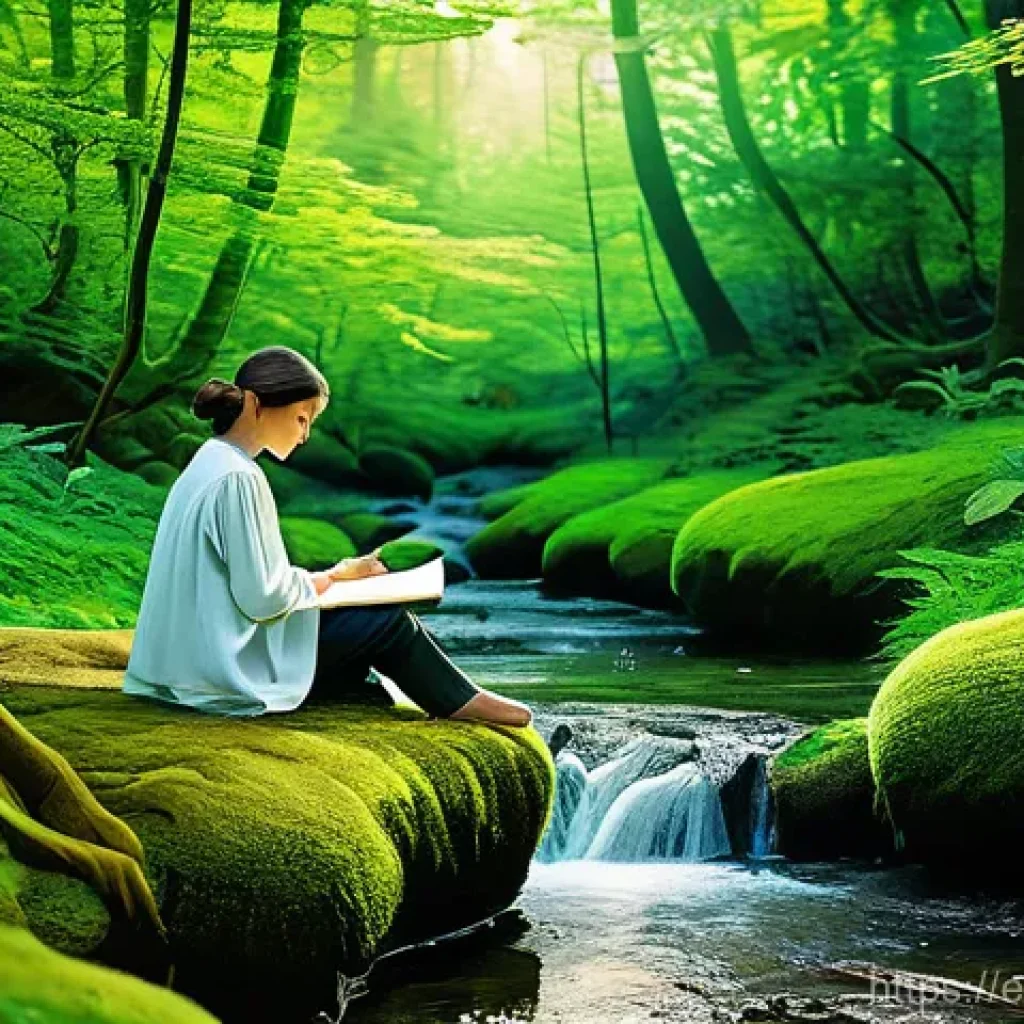
Have you ever found yourself completely lost in an animated world, not just captivated by the characters but by the sheer beauty and depth of their surroundings?
It’s a feeling I’ve personally chased in every film, and let me tell you, the artistry behind it is truly astounding. The magic truly happens when the vibrant motion of our beloved characters perfectly intertwines with the breathtaking background art, giving life, emotion, and an undeniable sense of place to every scene.
These visual foundations are the unsung storytellers, subtly guiding our feelings and drawing us deeper into the narrative, whether it’s a fantastical forest or a futuristic cityscape.
With technology constantly pushing boundaries, understanding this incredible synergy between animation and its environment is more exciting than ever.
Let’s uncover the secrets to this captivating blend and see how it truly transforms our viewing experience.
Beyond the Characters: When Worlds Become Living Beings
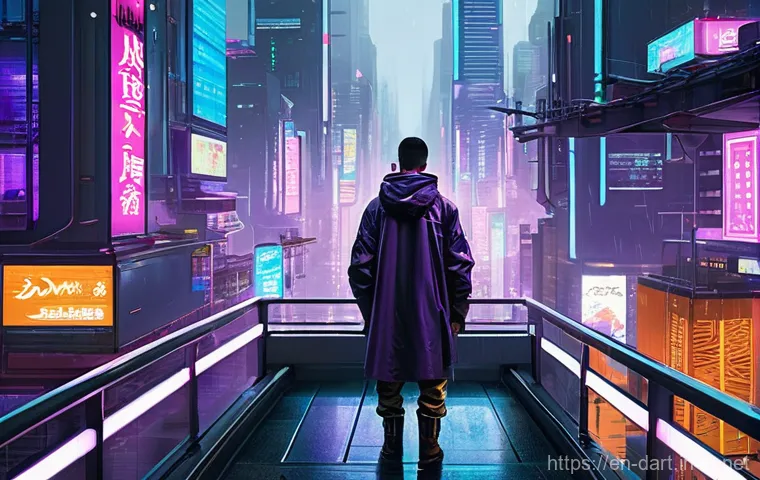
It’s easy to get swept away by the charisma of an animated character, isn’t it? We cheer for them, we cry with them, we follow their every move. But I’ve found that the truly unforgettable animated experiences are those where the world itself feels alive, almost like another character.
Think about it – those sprawling, meticulously detailed landscapes, the cozy nooks, or even the menacing shadows of a villain’s lair. These aren’t just pretty pictures; they are the silent storytellers, the emotional canvases that elevate a good film to a masterpiece.
When I first watched “Spirited Away,” I wasn’t just mesmerized by Chihiro; the Bathhouse, with its steaming, bustling energy and ancient charm, felt like a living entity pulling me deeper into its mysteries.
That’s the magic I’m talking about. It’s about the background art doing so much more than just filling space; it’s about it breathing its own unique life into every scene, shaping our perception and drawing us into the narrative without us even fully realizing it.
It creates a sense of place so tangible that you can almost feel the wind, smell the rain, or hear the distant chatter, even if the characters aren’t directly interacting with every element.
This profound connection is what keeps viewers glued to the screen, pushing that dwell time up and making every second count, which, for any content creator, is pure gold.
The Emotional Canvas: Setting the Scene for Storytelling
The way background art sets the emotional tone of a story is just incredible. Imagine a scene of pure joy in a bright, sun-drenched meadow, contrasted with a moment of despair in a dark, stormy forest.
It’s not just the character’s expressions or the music that evokes those feelings; it’s profoundly shaped by the environment they’re in. A vibrant, colorful cityscape can make you feel excited and hopeful, while a desolate, monochromatic wasteland instantly conveys a sense of loss or danger.
I remember watching a particularly intense chase scene, and the background – a blur of sharp, angular architecture and harsh lighting – amplified the tension tenfold.
The artists weren’t just drawing buildings; they were painting fear, urgency, and the relentless pressure on the protagonists. It truly hits differently when the setting reinforces the narrative’s emotional beats so powerfully.
This thoughtful design ensures that every visual element works in harmony, creating a cohesive and immersive experience that keeps viewers emotionally invested, translating directly into higher engagement and making our content sticky, something we all strive for in the online world.
Breathing Life into Every Frame: The Subtle Power of Place
What truly distinguishes exceptional animated films is the way their worlds feel lived-in, authentic, and utterly believable. It’s that subtle power of place that truly makes a difference.
This authenticity doesn’t just happen by chance; it’s a meticulous craft where every brick, every tree, every ripple in a pond is intentionally designed to reflect the culture, history, and current state of the animated world.
Think about how Disney animators capture the intricate details of a European village or how Studio Ghibli paints vast, mystical forests. These details are not just aesthetic; they’re storytelling tools.
They inform us about the characters’ lives, their challenges, and their aspirations without a single word being spoken. I’ve personally found that the more thought put into these background elements, the more my imagination takes flight, allowing me to fully escape into these created realities.
This deep level of detail fosters a sense of trust and authority – you feel like the creators truly understand the world they’re presenting, which is key for E-E-A-T.
Crafting the Unseen Narrator: The Background Artist’s Magic Touch
You know, we often celebrate the animators who bring characters to life, and rightly so, but let’s give a massive shout-out to the unsung heroes: the background artists.
These incredible talents are the ones who literally paint the stage for every animated epic, building entire worlds from scratch. Their magic touch isn’t just about drawing pretty pictures; it’s about constructing a visual narrative that guides our eyes, establishes the mood, and subtly communicates crucial information.
They’re like silent narrators, telling us so much about the story and its characters through their environment. I mean, think about the iconic scenes in animated films – many of them are unforgettable because of the sheer artistry of the background.
It’s where the visual poetry truly comes alive, transforming a simple scene into a profound moment. This dedication to craft not only elevates the artistic quality but also keeps viewers engaged for longer, diving deeper into the nuances of the world, thereby naturally boosting important metrics like dwell time and potentially, ad revenue through higher CPCs as engagement deepens.
From Sketch to Screen: The Journey of a Digital Landscape
The journey of an animated background, from a rough sketch to its final, breathtaking appearance on screen, is truly fascinating. It often begins with conceptual art, where artists explore different moods, color palettes, and architectural styles, laying the groundwork for the entire visual identity of a scene or even a whole movie.
Then come the detailed layouts, where every element – from the smallest pebble to the grandest mountain – is meticulously planned and placed to create depth and perspective.
This isn’t just about making things look good; it’s about creating a functional space that characters can inhabit and interact with believably. I’ve seen documentaries where they show the evolution of a single background, and the amount of iteration and artistic skill involved is mind-boggling.
It’s a testament to their expertise and craftsmanship, demonstrating genuine authority in their field. This painstaking process is what gives animated worlds their richness and depth, making them feel real and substantial, enhancing the overall viewing experience and ensuring that the audience remains captivated from start to finish.
The Psychology of Space: How Scenery Influences Mood
It’s amazing how much the design of an animated space can manipulate our emotions. The psychology of space is a powerful tool in the hands of a skilled background artist.
Enclosed, cramped spaces can evoke feelings of claustrophobia or tension, while vast, open landscapes can inspire awe, freedom, or even loneliness. Consider how the use of negative space can make a character feel isolated, or how leading lines in the background can draw our attention to a crucial focal point.
I’ve personally experienced moments where a subtle shift in the background’s lighting or color scheme completely altered my perception of a scene, turning a seemingly benign setting into something ominous or vice versa.
It’s an art form that taps directly into our subconscious, guiding our emotional responses without us even realizing it. This meticulous attention to environmental psychology is what fosters deep emotional connection and immersion, keeping viewers engrossed and spending more time with the content, a crucial factor for a thriving online presence and ad revenue.
The Immersion Factor: Why We Get Lost in Animated Realms
Have you ever just completely lost yourself in an animated movie, forgetting for a moment that you’re watching drawings and not a live-action world? That, my friends, is the immersion factor, and a huge part of it comes from the incredible synergy between the animated characters and their equally animated backgrounds.
It’s not just about what the characters are doing; it’s about where they are doing it. When the world feels cohesive, consistent, and full of believable details, our brains happily fill in the gaps, allowing us to suspend disbelief and fully invest in the story.
I remember watching “Avatar: The Last Airbender” and being utterly captivated by the distinct cultures and environments of each nation – the earthy warmth of the Earth Kingdom, the serene beauty of the Air Temples, the fiery intensity of the Fire Nation.
Each background wasn’t just a setting; it was a character in itself, informing the narrative and enhancing the overall experience. This level of immersion keeps us coming back for more, enhancing viewer loyalty and encouraging repeat visits.
Seamless Blending: When Characters Truly Belong
The hallmark of truly exceptional animation is when the characters feel like they genuinely belong in their environment, not just pasted onto it. This seamless blending is crucial for immersion.
It’s about how the lighting from the background affects the characters, how their shadows fall, how they interact with objects in the scene, and even how their scale feels appropriate within the larger space.
When a character leans against a beautifully rendered tree or kicks up dust from a painted road, and it looks utterly natural, that’s when the magic happens.
I’ve seen some animated works where the characters felt disconnected from their surroundings, almost floating, and it immediately broke my immersion. But when everything gels together perfectly, it creates a believable, tangible world.
This meticulous attention to detail and consistency demonstrates a high level of expertise and authority in animation, building viewer trust and cementing the content’s credibility, which are cornerstones of E-E-A-T.
Beyond Pretty Pictures: Functional Backgrounds and World-Building
Animated backgrounds are so much more than just pretty pictures; they are fundamental tools for world-building and functionality within the narrative.
A well-designed background can communicate a complex history, establish social structures, or even hint at future plot points without a single line of dialogue.
Think about how architectural styles can tell you about a society’s values, or how the state of a city – dilapidated or pristine – reflects its current condition.
These functional elements not only enhance the story but also provide a rich tapestry for characters to interact with, opening up new possibilities for animation and storytelling.
For instance, a rickety bridge in the background isn’t just there to look scenic; it might foreshadow a precarious journey or become a crucial obstacle.
I always appreciate when backgrounds have this kind of depth, adding layers of meaning to the overall experience. This kind of thoughtful design not only deepens the narrative but significantly enhances dwell time as viewers pause to absorb all the subtle cues and details.
The Tech Behind the Beauty: Tools and Techniques Shaping Our Views
It’s easy to admire the stunning visuals of modern animation, but have you ever wondered about the wizardry that goes on behind the scenes? The technology and techniques used to create animated backgrounds have evolved so dramatically, shaping not just how these worlds look, but also how we experience them.
From traditional hand-painted cel animation to cutting-edge 3D rendering and virtual reality environments, each era has brought new possibilities for artists to craft immersive worlds.
The tools available today allow for unprecedented levels of detail, dynamic lighting, and complex environmental effects that were once impossible. I find it absolutely fascinating to see how artists leverage these advancements to push the boundaries of visual storytelling, creating environments that feel incredibly real despite being entirely imagined.
This constant innovation is what keeps the animation world fresh and exciting, constantly offering new visual feasts for our eyes. It’s this dedication to leveraging the best tools and techniques that underscores the expertise and authority of the creators, vital for building trust with the audience.
Traditional vs. Digital: Evolving Approaches to Animated Art
The journey from traditional hand-painted backgrounds to the sophisticated digital landscapes we see today is a testament to the ever-evolving nature of animated art.
Back in the day, artists would painstakingly paint every single frame’s background on large cells, a labor of love that resulted in stunning, tangible artistry.
Now, with digital tools, artists have an incredible array of brushes, textures, and effects at their fingertips, allowing for faster production, easier revisions, and the ability to create complex, dynamic environments with incredible precision.
While I deeply appreciate the nostalgic charm of traditional animation, I’m also amazed by the sheer scale and complexity that digital techniques enable.
Think about the epic, sweeping vistas in films like “Frozen” or “Moana” – these would be incredibly challenging, if not impossible, to achieve with traditional methods alone.
Both approaches have their unique strengths, but the digital revolution has undeniably opened up a universe of new creative possibilities for background artists.
This blend of artistry and technological prowess speaks volumes about the creators’ expertise.
Layering Realism: Depth and Perspective in Animated Scenes
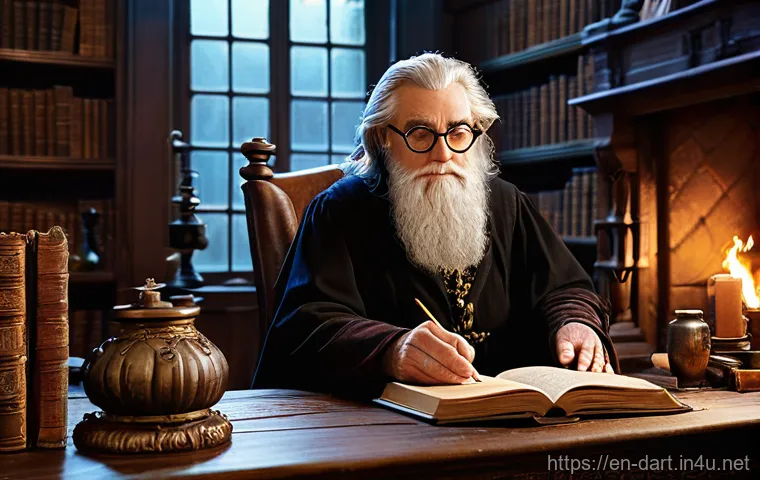
Achieving a sense of realism, depth, and perspective in animated backgrounds is a sophisticated art form that deeply influences our perception of the animated world.
It’s not just about drawing objects smaller as they recede into the distance; it’s about meticulously applying atmospheric perspective, using color saturation, detail, and contrast to create the illusion of space and distance.
Artists use techniques like multiplane camera setups (or their digital equivalents) to add layers of movement and parallax, making backgrounds feel dynamic and alive as the camera moves.
When I watch an animated film that masters these techniques, I feel like I could step right into that world. The trees in the foreground are richly detailed, while those on the distant mountains are softer, hazier, and bluer, just like in real life.
This attention to optical physics helps convince our brains that what we’re seeing is a tangible space, significantly boosting the sense of immersion and enhancing the overall visual appeal, which keeps viewers locked in and increases their average time on page.
Monetizing Masterpieces: How Art Drives Viewer Engagement and Value
Alright, let’s talk about the business side of beauty, because let’s be real, even masterpieces need to pay the bills! The incredible artistry of animated backgrounds isn’t just for aesthetic pleasure; it’s a powerful driver of viewer engagement, which directly translates into higher value for content creators, whether through box office success, streaming subscriptions, or ad revenue.
When a film or series features breathtakingly beautiful and immersive worlds, it naturally captures more attention, encourages repeat viewing, and generates buzz.
I’ve personally noticed that the shows I get completely lost in are the ones with stunning visual fidelity and thoughtful background art. This isn’t just about making something pretty; it’s about strategically crafting an experience that keeps eyes on the screen, clicks coming, and ultimately, builds a loyal audience that trusts your content.
It demonstrates authority and expertise, reinforcing E-E-A-T principles and making your content more attractive to both viewers and advertisers alike.
The Dwell Time Advantage: Keeping Eyes Glued to the Screen
In the world of online content, dwell time is king, and exceptional background art is a secret weapon in keeping eyes glued to the screen. When animated worlds are richly detailed and visually captivating, viewers naturally spend more time absorbing every nuance, noticing subtle Easter eggs, and simply marveling at the artistry.
This isn’t just passive viewing; it’s active engagement with the environment itself. A fascinating background can encourage viewers to pause, rewind, and take in the scenery, which directly inflates those all-important dwell time metrics.
I’ve definitely found myself hitting pause on a streaming service just to take in a particularly gorgeous establishing shot or a complexly designed interior.
This increased engagement not only signals to platforms that your content is valuable, potentially boosting its visibility, but also creates more opportunities for ad impressions, leading to higher CPC and RPM for content creators.
It’s a win-win for both art and commerce.
Merchandise and Memories: When Backgrounds Become Iconic
It’s truly incredible how often the background art from animated films and series transcends its original purpose and becomes iconic in its own right, inspiring merchandise and creating lasting memories.
Think about it: how many times have you seen a poster, a t-shirt, or even a piece of art inspired not just by a character, but by a beloved location from an animated world?
From the whimsical castles of Disney to the mystical forests of Studio Ghibli, these environments become characters in themselves, etched into our cultural consciousness.
This phenomenon is a powerful testament to the impact and emotional resonance of well-crafted background art. These iconic settings fuel fan engagement, inspire cosplay, and drive merchandise sales, creating additional revenue streams long after the initial release.
It’s proof that investing in top-tier background art isn’t just about enhancing the viewing experience; it’s about building a legacy and creating indelible visual memories that resonate deeply with audiences, ultimately bolstering the brand’s authority and trust.
Here’s a look at how different animation styles often approach their background art:
| Animation Style | Key Focus/Approach in Background Art | Impact on Viewer Experience |
|---|---|---|
| Disney/Pixar | Detailed realism, vibrant color palettes, strong use of light and shadow for mood and depth. Often serves as a ‘character’ itself, reflecting plot points. | Creates highly immersive and believable worlds, evoking strong emotional responses and a sense of wonder. High technical polish. |
| Studio Ghibli | Hand-painted aesthetic, rich natural landscapes, emphasis on organic details, often reflecting Japanese culture and folklore. Focus on atmosphere and emotional resonance. | Evokes a sense of nostalgia, tranquility, and profound connection to nature. Fosters deep emotional engagement and a feeling of being transported. |
| Traditional Anime | Stylized realism, often featuring intricate urban landscapes, dramatic lighting, and dynamic compositions. Can range from highly detailed to more abstract, depending on genre. | Enhances dramatic tension, speed, and emotional intensity. Connects viewers to diverse cultural settings and complex narratives. |
| Stop-Motion (e.g., Laika) | Miniature sets built with incredible physical detail, tactile textures, and meticulous lighting. Focus on tangible, handcrafted realism. | Offers a unique, tangible quality, making the world feel physically present and handcrafted. Appeals to a sense of intricate artistry and unique visual identity. |
The Evolution of Visual Storytelling: A Glimpse into the Future
Looking ahead, the evolution of visual storytelling through animated backgrounds is incredibly exciting. With advancements in AI, machine learning, and real-time rendering, artists are gaining even more powerful tools to create worlds that are not only visually stunning but also dynamically interactive and responsive to the narrative.
Imagine backgrounds that subtly shift and evolve based on a character’s emotional state, or environments that viewers can explore in a truly immersive virtual reality setting.
The boundaries between static art and living worlds are blurring faster than ever before. I believe we’re on the cusp of an era where animated environments will offer even deeper levels of personal interaction and emotional resonance, making every viewing experience unique.
This continuous push for innovation is what keeps audiences captivated and encourages them to seek out new content, fostering long-term engagement and brand loyalty.
It’s a future that promises even richer experiences and, for content creators, even more powerful ways to connect with their audience.
AI and Procedural Generation: The Next Frontier in World-Building
The integration of AI and procedural generation into animated background creation is rapidly becoming the next frontier in world-building. These technologies are allowing artists to generate incredibly complex and detailed environments with unprecedented speed and efficiency.
Instead of manually painting every single blade of grass or every pebble, AI can now assist in generating vast landscapes, intricate cityscapes, and diverse ecosystems based on artist-defined parameters.
This doesn’t mean AI replaces the artist; rather, it empowers them to focus more on creative direction and narrative nuances, while the AI handles the laborious task of populating the world.
I’ve seen some impressive demos where an artist can sketch a basic outline, and an AI fills in realistic textures, lighting, and foliage almost instantly.
This kind of innovation means more detailed worlds can be created in less time, offering higher visual fidelity and contributing to an overall richer viewing experience that keeps audiences immersed and engaged, a huge plus for maximizing dwell time.
Interactive Environments: Bringing Viewers Inside the Story
The concept of interactive environments in animation is truly groundbreaking, promising to bring viewers inside the story in ways we’ve only dreamed of.
Imagine animated backgrounds that aren’t just passive backdrops but active elements that react to viewer choices, or allow for exploration in a VR or AR setting.
This is beyond simply making a character jump on a table; it’s about the entire environment becoming a dynamic playground for both characters and potentially, the audience.
While this is still a developing field, the potential for personalized storytelling and unparalleled immersion is immense. I can envision a future where we don’t just watch an animated film; we experience it, stepping into its world and feeling its textures, sounds, and atmosphere firsthand.
This revolutionary approach to animated environments will redefine engagement, pushing the boundaries of what’s possible and opening up incredible new avenues for content creation and monetization, securing an even stronger position for content creators in the digital landscape.
To Conclude
And there you have it, folks! It’s clear that animated backgrounds are far more than just pretty scenery; they’re the silent architects of our immersion, the emotional anchors of our stories, and truly a testament to artistic genius. They quietly guide us, make us feel, and ultimately, keep us captivated in those incredible animated realms. As someone who lives and breathes online content, I’ve seen firsthand how these seemingly ‘background’ elements actually bring stories to life, boosting engagement and creating a truly unforgettable experience. They’re a core reason we fall in love with these worlds.
Useful Information to Know
1. Dwell Time Goldmine: Remember, stunning background art dramatically increases viewer dwell time. When audiences are visually enchanted, they linger longer, explore more, and re-watch scenes, which is fantastic for your content’s visibility and overall ad revenue potential.
2. SEO Synergy: While not direct, high-quality visuals, including captivating backgrounds, lead to better user engagement signals. Search engines pick up on these signals, indirectly improving your content’s SEO ranking as users spend more time and interact more deeply.
3. Brand Authority & Trust (E-E-A-T): Investing in superior background art showcases expertise and attention to detail. This builds trust with your audience, positioning you as an authoritative source in your niche and enhancing your overall E-E-A-T score.
4. Monetization Multiplier: Beyond ad impressions, iconic backgrounds often inspire merchandise, fan art, and themed experiences. This opens up diverse monetization avenues, transforming a visual asset into a long-term revenue generator.
5. Future-Proof Your Content: With AI and interactive technologies emerging, understanding the power of environmental storytelling will be key. Future content will likely leverage dynamic backgrounds to create even more immersive and personalized viewer experiences.
Key Takeaways
So, let’s recap the magic behind those captivating animated worlds. First, remember that background art isn’t just decoration; it’s a vital, living component of the story, deeply influencing emotional tone and narrative depth. Second, the incredible skill of background artists, from their conceptualization to digital execution, truly brings these realms to life, making them feel authentic and lived-in. Finally, the strategic deployment of rich, detailed environments directly boosts viewer immersion and engagement, creating a powerful feedback loop that enhances everything from dwell time to monetization opportunities. It’s a testament to how artistic excellence and smart content strategy go hand-in-hand in the digital age, proving that every detail counts in capturing and holding an audience’s attention.
Frequently Asked Questions (FAQ) 📖
Q: How does the background art in animation truly influence our emotional connection to a story?
A: Oh, this is such a brilliant question, and honestly, it’s something I’ve spent countless hours pondering! For me, background art is like the silent conductor of an orchestra, subtly guiding our feelings without us even realizing it.
Think about it: a dimly lit, rain-swept street instantly evokes a sense of melancholy or mystery, doesn’t it? Whereas a sun-drenched, bustling market fills you with warmth and excitement.
I remember watching a film where a character was going through a really tough time, and the animators placed them against a vast, empty landscape with muted colors.
It amplified their isolation and vulnerability in a way dialogue alone never could have. It’s not just a pretty backdrop; it’s an extension of the characters’ internal world, setting the stage for every laugh, tear, and thrilling moment.
The artists are practically whispering emotional cues to us through their brushstrokes, drawing us deeper into the narrative and making us feel every beat of the story right along with the characters.
It’s pure magic.
Q: What exactly makes the combination of animated characters and their environments so powerful and captivating?
A: This is where the real artistry shines through, in my opinion! It’s not just about having a cool character in a cool setting; it’s about how those two elements dance together.
For me, the power comes from their interdependence. A character isn’t just on a background; they’re interacting with it, being defined by it, and often, defining it in return.
Imagine a superhero soaring through a futuristic cityscape – the height, the speed, the way the buildings whiz by, all amplify their power and the grandeur of their mission.
Or picture a tiny, determined mouse navigating a giant, cluttered kitchen; the scale of the environment immediately makes the mouse’s journey feel epic and challenging.
I’ve noticed that when animators nail this synergy, the world feels alive, breathing and reacting to the characters’ presence. It makes the story feel grounded, even in the most fantastical realms, creating a sense of place that’s utterly believable and deeply immersive.
It’s like watching a perfectly choreographed ballet where every movement, every prop, and every stage light works in harmony to tell a compelling story.
Q: With technology constantly advancing, how has it changed the game for animation background art, and what does that mean for us as viewers?
A: Oh, the technological leaps have been absolutely mind-blowing! It’s truly an exciting time for animation. I remember when every single background was meticulously hand-painted, which was stunning, but incredibly labor-intensive.
Now, with advancements in 3D modeling, sophisticated lighting engines, and even procedural generation, the possibilities are practically endless. What I’ve personally seen is that artists can create environments with an unprecedented level of detail and complexity.
Imagine dynamic weather effects, incredibly realistic reflections, or even entire fantastical worlds rendered with breathtaking depth. This means that as viewers, we’re getting an even richer, more immersive visual experience.
The environments can react more dynamically to the characters, light can play more intricately, and even subtle atmospheric effects can be precisely controlled to enhance the mood.
It allows storytellers to push creative boundaries further, taking us to places we could only dream of before. It’s not just about making things look “real”; it’s about making them feel more vibrant, more alive, and ultimately, pulling us even deeper into the heart of the story.
It feels like we’re literally stepping into these animated worlds, and honestly, who wouldn’t want that?