Have you ever looked at an image, a film still, or even a perfectly lit room and just felt… captivated? That visceral pull, that instant mood?
More often than not, it’s the invisible dance between light and shadow doing all the heavy lifting, shaping our perception and stirring our emotions. From my own journey as a creator, I’ve seen firsthand how mastering these fundamental elements can truly transform an ordinary visual into something extraordinary, whether you’re a photographer, a digital artist, or even just curating your online presence.
In today’s hyper-visual world, understanding how to harness this power isn’t just a technical skill; it’s a creative superpower that sets you apart. Ready to unlock the secrets to making your visuals truly unforgettable?
Let’s dive in and master the art of light and shadow, and I’ll show you exactly how!
Shaping Emotional Narratives with Illumination
Have you ever scrolled through your feed and stopped dead in your tracks, not just because of the subject, but because of how it *felt*? That’s the magic of light, my friends.
It’s not just about brightening a scene; it’s about painting with emotions. Think about it: a bright, airy shot often conveys joy, openness, and optimism, right?
Like a sun-drenched Saturday morning where everything just feels possible. On the flip side, deep, enveloping shadows can instantly conjure feelings of mystery, intimacy, or even a touch of melancholy.
It’s truly fascinating how a simple shift in illumination can completely alter the story an image tells, making it resonate on a deeply personal level with your audience.
I’ve spent countless hours experimenting with this, trying to capture that elusive feeling, whether it’s the quiet contemplation of a coffee cup at dawn or the vibrant energy of a street market under midday sun.
It’s all about intentionality, understanding not just *what* you’re illuminating, but *why* and *how* it impacts the viewer’s emotional journey. It’s an incredibly powerful tool in your creative arsenal, far more than just a technical adjustment; it’s the heart and soul of visual storytelling.
The Psychology Behind Brightness and Gloom
It’s no accident that we associate certain lighting conditions with specific psychological states. Our brains are wired to interpret light as warmth, safety, and clarity, while darkness can signal the unknown, potential danger, or a sense of peace and quiet.
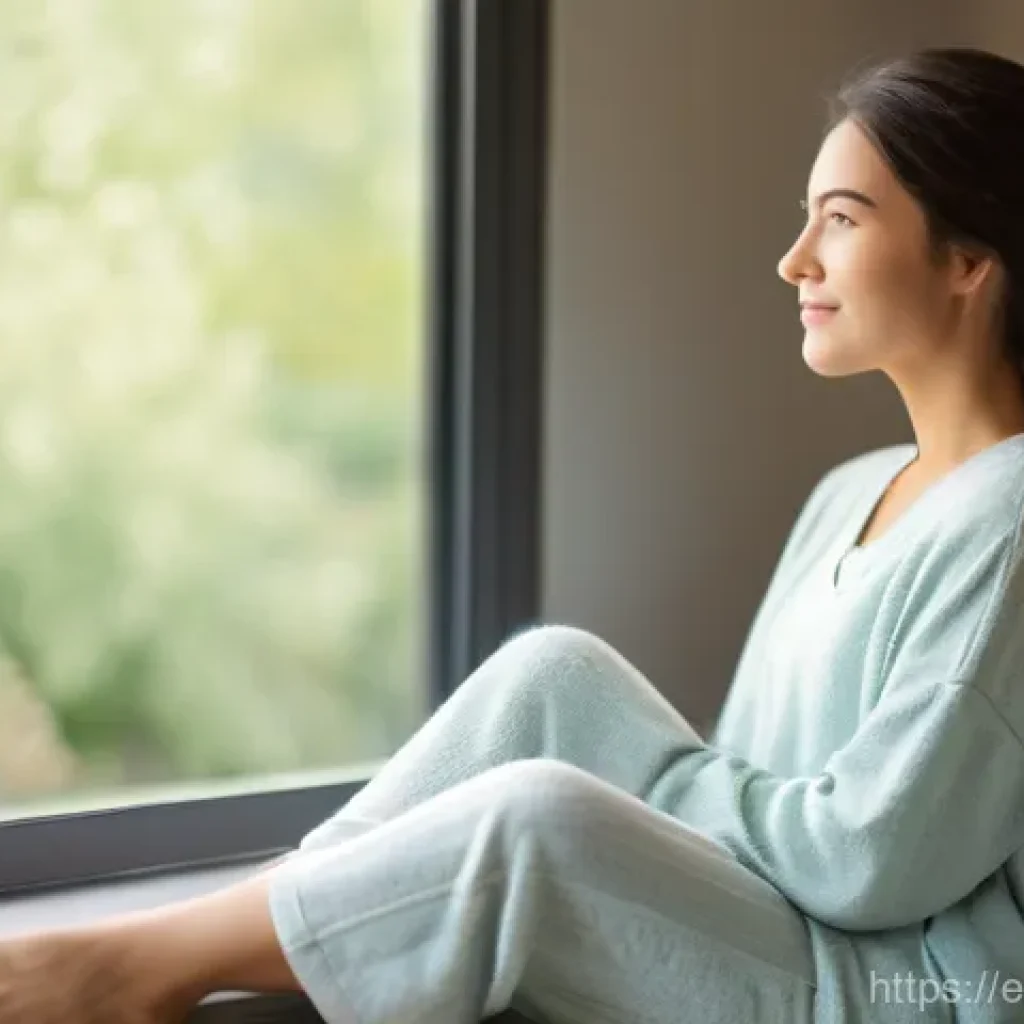
When I’m planning a shoot or crafting a digital scene, I always ask myself: “What do I want my audience to *feel*?” If it’s a feeling of comfort and hope, I lean into soft, diffuse light, perhaps from a window on an overcast day, allowing it to gently wrap around the subject.
But if I’m aiming for something more dramatic, something that hints at a secret or an untold story, I’ll push the contrast, letting the shadows swallow parts of the frame, creating pockets of intrigue.
It’s like directing a play where light and shadow are your lead actors, each delivering lines that tug at the audience’s heartstrings. Getting this balance right isn’t just about technical know-how; it’s about empathy and understanding the human experience, and that’s what makes it so much fun to explore.
Guiding the Viewer’s Gaze with Contrast
One of the most effective ways to use light and shadow isn’t just to set a mood, but to actively guide where someone looks. Our eyes are naturally drawn to the brightest parts of an image, and conversely, they tend to skip over the darkest, less detailed areas.
This is where strategic contrast becomes your best friend. Imagine a portrait where the subject’s eyes are perfectly lit, perhaps with a subtle catchlight, while the rest of their face gently recedes into shadow.
That immediate pull to their gaze? That’s light doing its job, intentionally highlighting the focal point and letting other elements fade into the background.
I often use this technique when I want to ensure a specific detail, like a unique texture or a particular expression, doesn’t get lost in a busy composition.
It’s about creating a visual hierarchy, ensuring that the most important parts of your story jump out, while secondary elements provide context without distracting.
It’s a subtle dance, but when executed well, it makes your visuals incredibly compelling and purposeful.
Crafting Visual Depth: Beyond Flat Images
There’s nothing quite as disappointing as a visually flat image, right? It just sits there, lifeless, despite perhaps having a fantastic subject. The secret to making your visuals pop, giving them that incredible three-dimensional feel that makes viewers feel like they could step right into the scene, lies almost entirely in how you handle light and shadow.
It’s not magic, it’s a deliberate manipulation of how light interacts with surfaces and forms. When light falls unevenly across an object, creating areas of highlight, mid-tone, and shadow, our brains instinctively interpret that as depth and shape.
Think about sculptures: they derive their entire visual impact from how light dances across their contours, revealing every curve and plane. The same principle applies to any visual medium.
I’ve spent years refining this, moving beyond just ‘getting enough light’ to understanding how to *sculpt* with it. It’s the difference between a simple snapshot and a piece of art that truly draws you in and holds your attention.
Using Rim Light for Separation
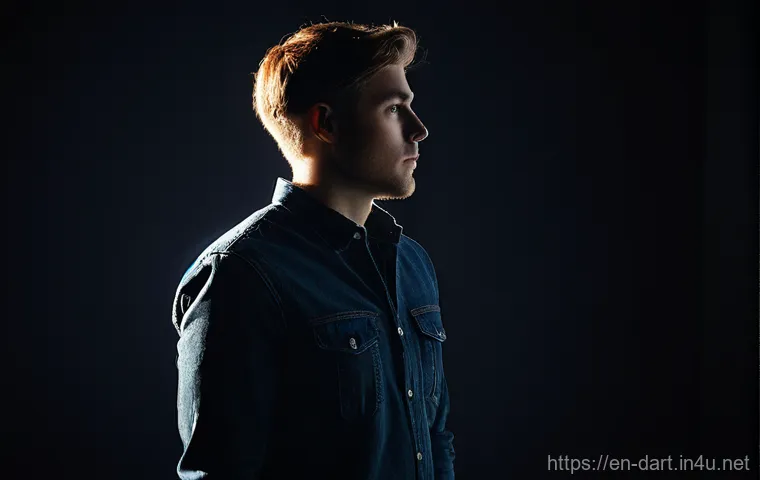
Rim lighting, or backlighting, is one of my absolute favorite techniques for creating instant depth and separating a subject from its background. Imagine your subject standing in front of a slightly darker backdrop, with a light source positioned directly behind them, just out of frame, subtly tracing their outline.
That luminous glow that appears around their edges? That’s rim light in action. It creates a beautiful, almost ethereal halo that immediately makes the subject ‘pop’ forward, giving them a distinct three-dimensional quality.
I often use this for portraits, especially when I want a dramatic, almost cinematic feel. It adds so much visual interest and helps define the form of the subject in a way that frontal lighting just can’t achieve.
It’s a relatively simple technique, but its impact is profound, making a two-dimensional image feel much more dynamic and alive.
Defining Form Through Gradual Tones
Beyond dramatic rim lights, there’s the more subtle, yet equally powerful, art of defining form through gradual tonal changes. This is where you leverage the way light gently transitions across a surface, from bright highlights to soft mid-tones, and then into deeper shadows.
Think of an apple sitting on a table: one side catches the direct light, another side is in partial shade, and underneath it, a small cast shadow anchors it to the surface.
These smooth gradations are what tell our eyes that the apple is round, not flat. When I’m working with objects or even faces, I pay close attention to these transitions, ensuring they are smooth and natural, avoiding harsh cut-offs unless a specific dramatic effect is intended.
This meticulous attention to how light falls and fades is what breathes life into your visuals, making objects feel tangible and spaces feel expansive.
It’s all about embracing the nuances that light provides.
The Subtle Art of Storytelling Through Shadows
Shadows often get a bad rap; people tend to think of them as something to be avoided, a sign of underexposure or poor lighting. But oh, how wrong that perception is!
For me, shadows are just as important as light, if not more so, in telling a compelling visual story. They are the unspoken words, the hints, the mysteries that draw viewers deeper into your narrative.
Light reveals, but shadows conceal, and in that concealment lies an immense power to create intrigue, suggest mood, and add layers of meaning that bright, even lighting simply can’t achieve.
I’ve found that some of my most impactful work relies heavily on the thoughtful placement and manipulation of shadows, using them not as voids, but as active participants in the visual conversation.
It’s about embracing their expressive potential, letting them whisper secrets rather than shout obvious statements.
Creating Mystery and Intrigue
If you want to add a dash of mystery or an element of intrigue to your visuals, shadows are your secret weapon. By obscuring parts of your subject or scene, you invite the viewer to lean in, to wonder what lies just beyond what’s revealed.
Think about film noir, for instance – it’s drenched in dramatic shadows, isn’t it? That’s not just a stylistic choice; it’s a narrative device. A face partially hidden by shadow suggests an enigmatic character, a doorway shrouded in darkness hints at a secret passage, or a single, long shadow stretching across an empty room evokes a sense of loneliness or anticipation.
When I’m aiming for this effect, I intentionally seek out opportunities to let shadows play a significant role, allowing them to create a sense of the unknown, compelling the viewer to fill in the blanks with their imagination.
It’s incredibly effective for grabbing and holding attention, making your audience feel like active participants in uncovering the story.
Highlighting Key Elements by Obscuring Others
Beyond mystery, shadows are also brilliant for directing attention by strategically downplaying certain elements. It’s a bit counterintuitive, but by putting something *in shadow*, you can actually make something *else* stand out more powerfully.
When a main subject is beautifully illuminated, and everything else around it is gently or dramatically pushed into shadow, the viewer’s eye has no choice but to focus on that bright, well-defined area.
This technique is incredibly useful for simplifying busy compositions, eliminating distractions, and ensuring your primary message or subject is unmistakable.
For example, if I’m photographing a delicious plate of food, I might use a single, focused light to make the dish sparkle, letting the background table and utensils fall into soft shadow.
This ensures the food is the undeniable star of the show. It’s a powerful way to streamline your visual communication and ensure your audience sees exactly what you want them to see, without getting sidetracked.
Unlocking Mood and Atmosphere: A Creator’s Toolkit
When it comes to truly setting a scene and making your visuals resonate on an emotional level, understanding how to manipulate mood and atmosphere with light and shadow is absolutely paramount.
It’s not just about what you see, but what you *feel* when you look at an image. The choice of light quality, its color, and its intensity can instantly transport your audience to a different time or place, evoking specific sensations and emotions.
This is where your creative vision really comes alive, transforming simple visuals into immersive experiences. Whether you’re aiming for the cozy warmth of a winter evening, the crisp coolness of a morning fog, or the dramatic intensity of a stormy sky, light and shadow are your primary tools for crafting that perfect atmospheric embrace.
It’s about being deliberate, not just letting light happen, but making it serve your creative intent to its fullest potential.
Warm vs. Cool: The Temperature of Emotion
The color temperature of your light source is a game-changer for setting mood. Warm light, typically in the orange and yellow spectrum, often evokes feelings of comfort, coziness, intimacy, and happiness.
Think of a sunset, a crackling fireplace, or the warm glow of incandescent bulbs in a café. These tones instantly create a sense of welcome and relaxation.
On the other hand, cool light, leaning towards blues and whites, can convey feelings of freshness, tranquility, crispness, or even a sense of detachment or solemnity.
Consider an overcast day, moonlight, or fluorescent office lighting. When I want to create a warm, inviting scene, I gravitate towards light sources that provide those golden hues.
For a more serene or dramatic look, I’ll lean into cooler tones. Understanding this psychological impact of color temperature allows you to fine-tune the emotional resonance of every single visual you create, ensuring it speaks volumes without a single word.
Soft vs. Hard: The Edge of Reality
The quality of light—whether it’s hard and direct or soft and diffused—also plays a huge role in shaping atmosphere and mood. Hard light, typically from a small, direct source like the midday sun or a bare bulb, creates sharp, well-defined shadows and intense contrast.
It can convey drama, harshness, strength, or even a sense of urgency and realism. Think of film noir again, or gritty documentary photography. Soft light, usually from a large or diffused source like an overcast sky, a large window, or a softbox, produces gentle transitions between light and shadow, with subtle, less defined edges.
This creates a softer, more ethereal, often flattering look, suggesting calm, beauty, tenderness, or dreaminess. When I’m aiming for a powerful, impactful statement, I might opt for hard light to heighten the drama.
But if I’m seeking to create a serene, gentle, or intimate mood, I’ll always reach for the soft, embracing glow that diffuses so beautifully.
From Mundane to Magical: Elevating Everyday Scenes
It’s incredible how often we overlook the visual poetry hidden in our daily lives, isn’t it? We walk past countless moments that, with just a slight shift in perspective and an understanding of light and shadow, could be transformed into something truly magical.
This isn’t about needing expensive gear or exotic locations; it’s about seeing the world with an artist’s eye, recognizing the transformative power of illumination in the most ordinary settings.
From the way sunlight streaks across a dusty floor to the subtle play of reflections on a wet pavement, these everyday occurrences are brimming with potential.
I’ve personally found immense joy in taking mundane objects or familiar street corners and, by carefully observing and harnessing the existing light, elevating them into captivating visual narratives.
It’s a skill that once developed, makes you see beauty everywhere, turning casual observations into creative opportunities.
Finding the Sweet Spot: Golden Hour and Blue Hour
If there are two times of day that almost guarantee stunning light, they are the “golden hour” and the “blue hour.” The golden hour, occurring shortly after sunrise and before sunset, bathes everything in a soft, warm, diffused light that makes skin tones glow and landscapes come alive with rich, inviting hues.
Shadows are long and gentle, adding depth without harshness. It’s my absolute favorite time to shoot, whether it’s portraits, landscapes, or just capturing the serene beauty of a quiet street.
The blue hour, which precedes the golden hour at dawn and follows it at dusk, offers a completely different, yet equally captivating, mood. The sky turns a deep, rich blue, and artificial lights begin to twinkle, creating a stunning contrast of cool tones and warm highlights.
This is perfect for cityscapes, atmospheric street photography, or any scene where you want to evoke a sense of calm, mystery, or urban magic. Learning to anticipate and utilize these specific times has been a game-changer for my visual work.
Transforming Spaces with Artificial Light
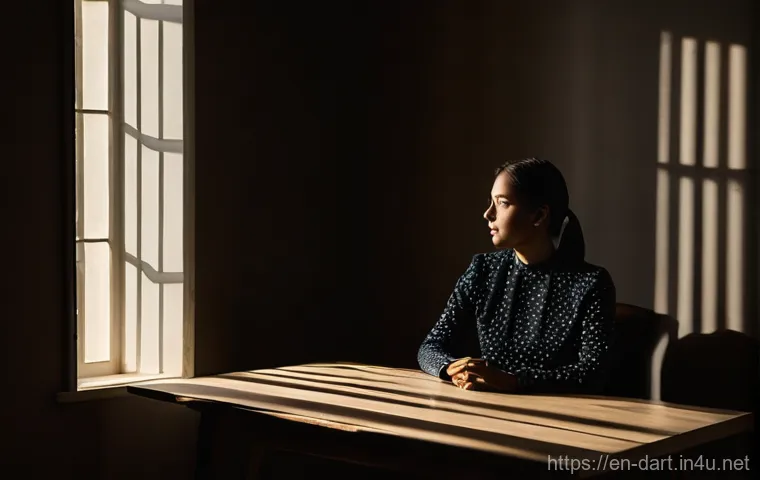
While natural light is fantastic, sometimes you need to create your own magic, especially indoors or after the sun goes down. This is where artificial light sources become your best friends.
It’s not just about turning on a lamp; it’s about strategically placing and shaping that light to transform an ordinary room into an extraordinary scene.
I’ve experimented with everything from simple desk lamps to fairy lights, LED panels, and even my phone’s flashlight, using them to create dramatic shadows, subtle glows, or focused highlights.
A simple bedside lamp can become a powerful storytelling tool when positioned to cast long, evocative shadows across a wall, or to create a cozy reading nook that feels straight out of a magazine.
It’s about understanding how light behaves and using readily available sources to paint your desired mood, turning any space, no matter how humble, into a canvas for your creative expression.
Practical Approaches to Dynamic Lighting
Diving into the practical side of dynamic lighting is where the real fun begins, because it’s here that you get to actively *sculpt* the light rather than just observing it.
It’s about moving beyond hoping for good light and instead, making good light happen, regardless of the circumstances. This involves understanding how different light sources behave, how to control their intensity and direction, and how to use various tools—both professional and DIY—to achieve your desired visual outcome.
It’s a bit like being a magician, pulling light out of thin air or bending it to your will. Once you grasp these fundamental concepts, your ability to create compelling visuals will skyrocket, allowing you to confidently tackle almost any lighting challenge and turn it into an opportunity for something spectacular.
Understanding the Three-Point Lighting System (and breaking the rules!)
The three-point lighting system is a foundational concept in photography and filmmaking, and it’s an incredible starting point for understanding how to build compelling light.
It typically involves three lights: the key light (your main, brightest light), the fill light (a softer light to reduce harsh shadows from the key light), and the back light (often a rim light, to separate the subject from the background).
This system gives you a balanced, well-defined subject that truly pops. I highly recommend everyone start here, practice it until it’s second nature. But here’s the kicker: once you understand the *rules*, you’re empowered to *break* them!
Sometimes, using *only* a key light for dramatic shadows is perfect. Other times, just a back light creates that mysterious silhouette. My own journey involved mastering this system and then intentionally distorting or omitting elements to achieve specific artistic effects.
It’s about knowing *why* the rules exist so you can effectively choose when to bend or ignore them for greater creative impact.
DIY Hacks for Stunning Illumination
You absolutely do *not* need a studio full of expensive gear to create stunning lighting. Seriously, some of my most creative and effective lighting solutions have come from simple, everyday items.
Think about it: a white bedsheet can become a fantastic diffuser, softening a harsh window light. Aluminum foil crumpled and then flattened out can act as a powerful reflector, bouncing light precisely where you need it.
Even a cheap desk lamp, when combined with a piece of parchment paper taped over the bulb, can create a beautifully soft, directional light. I’ve used mirrors to bounce sunlight into tricky corners, cardboard boxes with cut-outs to create patterned shadows, and even a shower curtain to diffuse overhead fluorescents.
The key is to be resourceful and to think about the *properties* of light – diffusion, reflection, blockage – and then look for household items that can replicate those effects.
It’s amazing what you can achieve with a bit of creativity and a willingness to experiment.
Mastering Your Light Source: The First Step
Before you can truly sculpt with light and shadow, you’ve got to understand the light sources themselves. It’s not just about “light” but about *what kind* of light you’re working with, where it’s coming from, and how you can manipulate it.
Whether it’s the sun, a window, a lamp, or a specialized studio strobe, each source has its own unique characteristics that will dramatically influence the mood, depth, and overall impact of your visuals.
This foundational understanding is the bedrock upon which all your subsequent lighting techniques will be built. It’s about being observant and intentional, recognizing the opportunities and limitations presented by various light sources, and then making informed decisions to harness their full potential.
Without this mastery, you’re essentially painting in the dark, hoping for the best.
Identifying Natural Light Opportunities
Natural light is a gift, and learning to read it is one of the most valuable skills a creator can develop. It’s everywhere, constantly changing, and completely free!
I spend a lot of time just observing how natural light interacts with my environment throughout the day. Where does the sun hit in the morning? How does it cast shadows in the afternoon?
What does an overcast sky do to the light quality? Even subtle changes, like the time of day, the weather, or the presence of nearby buildings, can completely alter the characteristics of natural light.
A window can be a fantastic softbox; a doorway can provide dramatic directional light. Understanding these nuances allows you to position your subject or yourself strategically to make the most of what nature provides, transforming even a simple indoor scene or an outdoor landscape into a compelling visual narrative, without needing any artificial intervention.
Controlling Artificial Light with Modifiers
When natural light isn’t cutting it or you need more precise control, artificial light sources step in. But a bare bulb or a powerful LED can be incredibly harsh on its own.
This is where light modifiers become indispensable. Think of diffusers like softboxes, umbrellas, or even translucent fabrics – they spread out and soften the light, making it more flattering and reducing harsh shadows.
Reflectors, on the other hand, bounce light back onto your subject, filling in shadows or adding highlights. And then there are grids and barn doors, which help you control the *direction* of the light, preventing spill and focusing the beam exactly where you want it.
My kit always includes a few essential modifiers because they give me the power to transform a single harsh light into a versatile tool, allowing me to sculpt and shape the light with incredible precision, creating everything from soft, ethereal glows to sharp, dramatic spotlights, entirely bending the light to my creative will.
Beyond the Basics: Advanced Shadow Play
Once you’ve got a solid handle on the fundamentals of light and shadow, that’s when you can really start to play and push the boundaries. Moving beyond simple contrast and mood-setting, advanced shadow play involves using shadows as active compositional elements, as conveyors of texture, and even as narrative devices in their own right.
This isn’t just about what light reveals; it’s about what darkness *contributes*. It’s about seeing shadows not as empty voids, but as dynamic shapes, patterns, and forms that can enrich your visuals in unexpected ways.
This level of intentionality truly separates a good visual from a truly unforgettable one, inviting viewers to engage with your work on a deeper, more sophisticated level.
| Light & Shadow Element | Impact on Visuals | Creative Application |
|---|---|---|
| Directional Light | Creates strong highlights and distinct shadows, defining form and texture. | Dramatic portraits, architectural photography, emphasizing textures. |
| Diffused Light | Softens shadows, reduces contrast, creates a gentle, even illumination. | Flattering portraits, still life, serene landscapes. |
| High Contrast | Strong separation between light and dark, intense mood, drama. | Film noir aesthetics, moody storytelling, graphic compositions. |
| Low Contrast | Subtle tonal differences, gentle transitions, soft or ethereal feel. | Dreamy visuals, sensitive portraits, hazy atmospheric shots. |
| Cast Shadows | Shadows projected by an object, adding depth, pattern, or narrative. | Creating mystery, anchoring objects, forming leading lines. |
Patterned Shadows: Adding Texture and Interest
Oh, patterned shadows! These are an absolute delight to work with and instantly elevate an otherwise plain scene. Instead of just a simple block of shadow, imagine light filtering through a window blind, a leafy tree, a lace curtain, or even a fence, casting intricate designs onto a wall, a floor, or your subject.
These patterns add a layer of visual texture and graphic interest that can be incredibly captivating. They can break up large, monotonous areas, add a sense of movement or dimension, and even serve as abstract art within your composition.
I often actively seek out these opportunities, positioning my subjects or objects so that these natural or artificial patterns fall across them in interesting ways.
It’s like getting a free design element, enhancing the visual richness without needing to add physical props. It’s all about observing the environment and recognizing how light can create these beautiful, transient designs.
Using Cast Shadows for Compositional Strength
Cast shadows are probably one of the most underrated compositional tools out there. These are the shadows an object *casts* onto a surface, and they can be incredibly versatile.
They can act as leading lines, drawing the viewer’s eye deeper into the frame. They can repeat shapes, creating visual rhythm and harmony. They can anchor your subject, making it feel more grounded and integrated into the scene.
A long, diagonal cast shadow from a building or a person can add incredible dynamism to a landscape or street scene. A circular shadow under a fruit bowl can give it a sense of weight and presence.
I’ve even used cast shadows to create a sense of scale, making a small object appear larger or a person appear more imposing. They are not just byproducts of light; they are powerful compositional elements that can add depth, balance, and narrative weight to your visuals, transforming a simple observation into a thoughtful and impactful composition.
Concluding Thoughts
So there you have it, folks! It’s truly incredible how mastering the interplay of light and shadow can utterly transform your visuals, isn’t it? From evoking deep emotions to guiding the viewer’s gaze and creating captivating depth, these aren’t just technical adjustments; they’re the very soul of visual storytelling. I hope my journey and insights have sparked your own curiosity and encouraged you to look at the world around you with a fresh, discerning eye, ready to find and sculpt the magic in every ray of light and every whispered shadow. Keep experimenting, keep observing, and most importantly, keep telling your unique stories with the beautiful dance of illumination!
Useful Information to Know
1. Become a Light Detective: One of the most impactful things you can do to elevate your visual game is to simply observe. Seriously, spend a few days actively noticing how light changes throughout your home, office, or neighborhood. What does the morning light do to your coffee cup? How do the shadows shift on your wall in the afternoon? Pay attention to the quality – is it harsh and direct, or soft and diffused? Notice the color temperature – warm and golden, or cool and blue? This isn’t about expensive gear; it’s about training your eye to see the existing opportunities and challenges of natural light. I started doing this years ago, and it completely transformed how I approach every single shot, making me more intuitive and less reliant on external tools. You’ll begin to anticipate the “perfect” light for different moods and subjects, making your creative process so much more intentional and rewarding.
2. Your Smartphone is a Powerful Light Meter and Sculptor: Don’t underestimate the power you already hold in your pocket! Your smartphone camera is fantastic for practicing light and shadow principles. Before you even think about a DSLR or mirrorless, use your phone to experiment with different lighting setups. You can often tap on your screen to adjust exposure, making specific areas brighter or darker, and even lock the exposure. Use the flashlight function to create dramatic shadows or rim light effects. Prop it up with a book to act as a DIY key light, and use a white piece of paper as a reflector. The limited controls often force you to be more creative with your environment and existing light, which is an invaluable skill. Trust me, many of my most eye-opening discoveries about light control happened while just playing around with my phone and whatever junk I found on my desk.
3. Embrace the Imperfections (and Turn Them into Strengths): Not every lighting situation is going to be perfect, and that’s absolutely okay – in fact, it’s often where the most interesting visuals emerge! Instead of fighting harsh midday sun, can you use it to create strong, graphic shadows? If you’re stuck in a dimly lit room, can you embrace the moodiness and create an intimate, mysterious atmosphere? Sometimes, a single, unexpected light source, like the glow from a laptop screen or the erratic flash of a passing car, can create a unique narrative element. Don’t be afraid to let light *be* what it is, and then figure out how to work *with* its characteristics rather than against them. It’s about adapting your vision to the reality of the light you have, and often, these “imperfections” lead to the most authentic and compelling results that truly stand out.
4. Post-Processing is Your Digital Darkroom: The magic doesn’t end when you click the shutter button or finish your initial scene setup. Post-processing tools, whether it’s a simple phone app or professional software like Lightroom or Photoshop, are incredibly powerful for enhancing and refining your light and shadow play. You can subtly lift shadows to reveal hidden details, deepen blacks for more dramatic contrast, adjust highlights to bring out textures, and even tweak color temperatures to warm up a cool shot or vice-versa. Think of it as your opportunity to further sculpt the light and dark areas, guiding the viewer’s eye and intensifying the emotional impact. I always consider post-processing as the final layer of creative control, allowing me to fine-tune the story that light and shadow are telling, ensuring every visual element serves the overall narrative I want to convey. It’s truly transformative!
5. Story First, Light Second (But Closely Related!): While we’re talking all about light and shadow, remember that these are tools in service of your story. Before you even think about where to place a light or how to shape a shadow, ask yourself: “What message am I trying to convey? What emotion do I want to evoke? What’s the narrative here?” Once you have a clear story or emotion in mind, *then* you can deliberately choose your lighting strategy to support it. If you want a joyful, hopeful image, bright, airy light makes sense. If you’re aiming for something mysterious or somber, lean into dramatic shadows. The light shouldn’t just *exist*; it should actively *contribute* to the meaning and impact of your visual. This intentionality is what truly separates compelling visuals from merely pretty ones, making your audience feel, think, and engage on a much deeper level with everything you create.
Key Takeaways
Ultimately, mastering light and shadow is about intentionality and understanding their profound impact on emotion, depth, and storytelling. Remember that light reveals, while shadow conceals, and both are equally vital for creating compelling visuals. By observing natural light, experimenting with artificial sources and modifiers, embracing perceived imperfections, and leveraging post-processing, you can sculpt powerful narratives that resonate deeply with your audience. Don’t just light a scene; tell a story with every highlight and every shadow, making each visual an immersive experience.
Frequently Asked Questions (FAQ) 📖
Q: I totally get that light and shadow are important, but for someone just starting out, where do you even begin to apply these concepts in a practical way without getting completely overwhelmed?
A: Oh, I hear you! It’s easy to feel like you need a full studio and fancy equipment to even touch on “mastering” light and shadow, but honestly, that’s not where it begins.
From my own journey, the absolute best starting point is to simply observe. Look around you, right now! Notice how the light from your window hits a cup on your desk, or how the overhead lamp casts a distinct shadow.
Pay attention to how light changes throughout the day – that gorgeous golden hour light, or the harsh midday sun. That’s your first classroom! I always tell people to grab their phone, find a simple object – maybe a piece of fruit or a favorite book – and just move it around in different lighting conditions.
Try it near a window, then under a lamp. See how the highlights pop and the shadows define its shape. It’s all about building your visual vocabulary, and you’ll be amazed at how quickly your eye develops when you approach it like a fun little game.
Trust me, it’s a muscle you just need to exercise!
Q: What are some of the most common mistakes people make when trying to use light and shadow, and what’s your top tip for avoiding them?
A: That’s a fantastic question, and one I’ve personally wrestled with countless times when I was first learning! One of the biggest pitfalls I’ve noticed, both in my own work and with others, is ignoring the shadows.
Everyone gets excited about the bright, shiny parts – the highlights! But shadows are equally, if not more, important in telling a story, adding depth, and creating mood.
Think of shadows not as the absence of light, but as sculpted forms themselves. They define texture, create drama, and guide the viewer’s eye. My top tip for avoiding this mistake is to consciously compose with your shadows.
Before you even think about hitting that shutter button or rendering your digital scene, ask yourself: “What are the shadows doing here? Are they enhancing my subject?
Are they too harsh or too soft for the mood I want to create?” Experiment with different angles and light sources to manipulate those shadows. You’ll find they can completely transform an ordinary scene into something compelling.
It’s a game-changer, truly.
Q: You mentioned mastering light and shadow is a “creative superpower” for an online presence. How does this really translate into better engagement or even “monetization” for someone like me trying to grow my blog or social media?
A: Ah, this is where the magic truly happens, my friend! It’s not just about making pretty pictures; it’s about making impactful pictures that connect with people.
In today’s hyper-visual online world, your content needs to stop the scroll. Beautifully lit, thoughtfully shadowed visuals do exactly that. Think about it: when an image or video is visually compelling, it grabs attention instantly (hello, higher click-through rates!).
It tells a story without a single word, setting a mood or conveying an emotion that resonates with your audience. This isn’t just aesthetic; it’s psychological.
Professionally crafted visuals build trust and credibility, signaling to your audience that you care about quality, making them more likely to stick around longer (hello, increased dwell time!) and engage with your content.
More engagement means more shares, more followers, and ultimately, a stronger, more loyal audience. And guess what? A highly engaged audience is far more receptive to your calls to action, whether it’s clicking an affiliate link, purchasing a product, or even just sticking around to see an ad.
So, yes, mastering light and shadow absolutely translates into a more powerful, more profitable online presence. It’s an investment that pays dividends!